Beyond Morocco Travel

Category: Morocco Travel

  • Morocco Tourism 2026: Record Growth, New Horizons & Strategic Development

    Morocco Tourism 2026: Record Growth, New Horizons & Strategic Development

    Morocco Tourism 2026: Record Growth & Development Strategy | Complete Guide

    Morocco Tourism 2026: Record Growth, Strategic Development & Industry Evaluation

    Morocco tourism 2026 vision showing modern infrastructure and traditional heritage
    Morocco’s tourism sector in 2026: record arrivals, sustainable expansion, and a bold vision for the future.

    Morocco has emerged as North Africa’s undisputed tourism powerhouse. As 2026 unfolds, the Kingdom celebrates its most successful year ever, with over 15.5 million tourists expected by December — a 28% increase from 2025. This surge is no accident. It results from strategic investments, visionary infrastructure projects, and a clear roadmap called “Tourism Roadmap 2026-2030.” This article evaluates Morocco’s tourism development, highlights the latest news, and explains why the country is poised to become a global travel leader.

    Whether you are a travel industry professional, an investor, or a curious traveler, understanding Morocco’s tourism evolution helps you seize opportunities. From new direct flights to eco-lodges in the Sahara, from high-speed rail expansions to digital visa systems — Morocco is reinventing travel in Africa. For travelers seeking the ultimate immersion, Morocco Grand Tours offer a complete journey through the country’s most iconic destinations, from the Atlantic coast to the Sahara Desert and imperial cities.

    Ready to explore Morocco in 2026? Book your tailor-made journey with Beyond Morocco Travel — expert local guides, authentic riads, and exclusive access to the country’s most spectacular destinations. Contact us for a free itinerary consultation.

    1. Morocco Tourism 2026: Key Figures and Record Performance

    Morocco’s tourism sector has shattered every previous record. The Ministry of Tourism reported that the first quarter of 2026 alone welcomed 4.2 million visitors, a 32% jump compared to Q1 2025. The momentum continued into spring, buoyed by European school holidays and new long-haul flights from North America and Asia.

    15.5M+
    Expected visitors (2026)
    +28%
    Year-on-year growth
    $9.8B
    Tourism revenue (projected)
    550K
    New jobs created

    International arrivals from Spain, France, Germany, and the UK remain strong, but the real story is diversification. The United States became Morocco’s fastest-growing source market in 2026, with a 47% increase in American tourists. United Airlines’ new direct Newark–Marrakech route, launched in June 2026, is already operating at 89% capacity. Meanwhile, Royal Air Maroc expanded services to Beijing and São Paulo, bringing Chinese and Brazilian travelers to Morocco in unprecedented numbers.

    2. Strategic Development: Morocco’s Tourism Roadmap 2026-2030

    Behind the impressive numbers lies a coherent strategy. In late 2025, the Moroccan government unveiled the “Tourism Roadmap 2026-2030,” a $4.5 billion plan designed to position Morocco among the world’s top 20 tourist destinations by 2030. The roadmap rests on four pillars: air connectivity, sustainable infrastructure, digital transformation, and human capital development.

    Air Connectivity Expansion

    By 2026, Morocco will have added 35 new international routes. Key achievements include United Airlines (Newark–Marrakech), Air Arabia (Moscow–Casablanca, Istanbul–Casablanca), Transavia (Paris–Ouarzazate, Paris–Errachidia), and Ryanair’s expansion to Tetouan and Al Hoceima. The goal is to reach 60 million annual airport passengers by 2028, up from 38 million in 2025.

    Sustainable Infrastructure and Eco-Tourism

    Morocco is betting on green tourism. The “Morocco Sustainable Destination” label now covers 12 regions, requiring accommodations to meet strict environmental standards. Over 340 hotels and riads have earned Green Key certification. Meanwhile, the government is investing in solar-powered desert camps, plastic-free medinas, and water-efficient golf courses. A flagship project is the “Atlas Eco-Lodge Network,” which will create 100 community-run guesthouses in the High and Middle Atlas by 2027.

    News Flash — May 2026: Morocco was named “Africa’s Leading Sustainable Destination” at the World Travel Awards. The jury praised the country’s commitment to renewable energy in tourism and its support for women-led cooperatives in rural areas.

    3. New Air Routes and Connectivity Boom (2026 Highlights)

    Accessibility is Morocco’s secret weapon. In 2026 alone, these routes launched or expanded:

    • United Airlines: Daily Newark (EWR) to Marrakech (RAK) — first direct U.S. link to the Red City.
    • Royal Air Maroc: Casablanca to Beijing Daxing (PKX) and Casablanca to São Paulo Guarulhos (GRU).
    • Air Arabia: New routes from Moscow Domodedovo, Istanbul Sabiha Gökçen, and Milan Bergamo to Casablanca and Marrakech.
    • Transavia France: Seasonal service from Paris-Orly to Ouarzazate (gateway to the Sahara) and Errachidia.
    • Ryanair: Expanded its Morocco network to 90 routes, including new connections to Nador, Oujda, and Essaouira.

    This airlift expansion has reduced ticket prices by an average of 18% on European routes, making Morocco more affordable than ever. The national carrier RAM also launched a “Visit Morocco Stopover” program, allowing long-haul passengers to spend up to 5 days in Morocco at no extra airfare cost.

    4. Major Infrastructure Projects Reshaping Travel

    Morocco is not just adding flights — it’s transforming how travelers move across the country. For those who want to experience the full spectrum of these destinations, Morocco Grand Tours provide expertly crafted itineraries covering Casablanca, Rabat, Tangier, Chefchaouen, Volubilis, Fes, Meknes, Merzouga, Ouarzazate, Marrakech, and Essaouira.

    High-Speed Rail Extension (Al Boraq 2)

    The world’s first high-speed rail in Africa, Al Boraq, will be extended from Tangier to Marrakech by 2027. The new segment will cut travel time from Casablanca to Marrakech to just 1 hour and 20 minutes (down from 3 hours). By 2028, the line will reach Agadir, opening up the Atlantic coast to fast, comfortable rail travel.

    Marrakech Air City Terminal 4

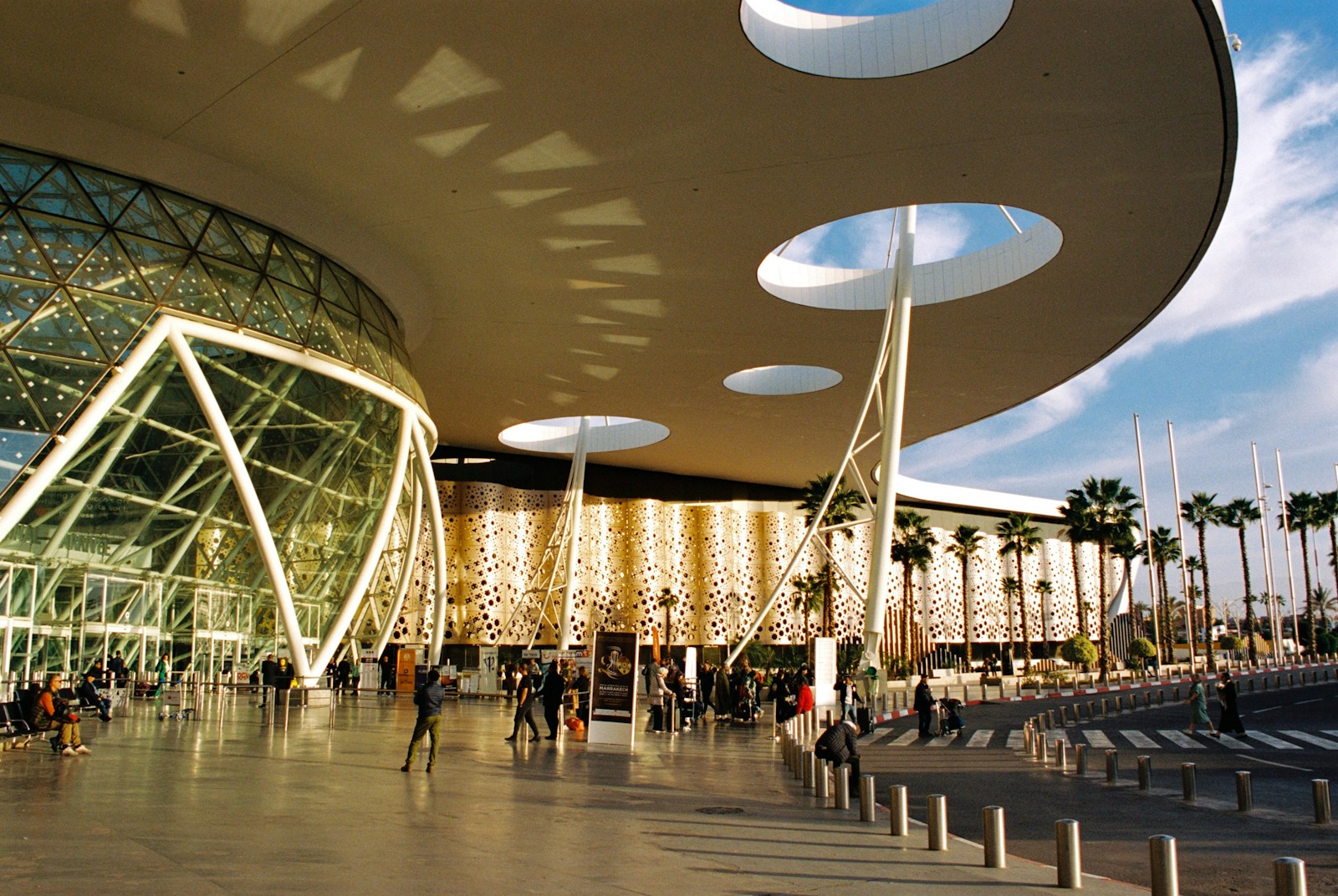
    Marrakech Menara Airport is undergoing a $600 million expansion. Terminal 4, opening December 2026, will raise capacity from 9 million to 15 million passengers annually. The new terminal features biometric gates, lounges, and direct rail links to the city center.

    Dakhla Atlantic Port and Resort Zone

    The Dakhla region, a kitesurfing paradise, is receiving $1.2 billion in investments. A new international airport terminal opened in March 2026, while the Dakhla Atlantic Port project will position the city as a cruise ship destination. Luxury resorts by Accor and Four Seasons are under construction, scheduled to open in 2027.

    5. Evaluating Morocco’s Tourism Competitiveness

    How does Morocco stack up against competitors? According to the 2026 World Economic Forum Travel & Tourism Competitiveness Index, Morocco ranks 2nd in Africa (after Mauritius) and climbed 8 positions globally to 42nd. Key strengths include:

    • Price competitiveness: Among the most affordable destinations in the Mediterranean.
    • Cultural resources: 9 UNESCO World Heritage Sites, including Marrakech, Fes, Meknes, and Volubilis.
    • Natural assets: Four climate zones (coast, mountain, desert, forest) within a 6-hour drive.
    • Safety: Ranked 3rd safest country in Africa for tourists by the Global Peace Index.
    • Air connectivity: The best-connected African nation to Europe, North America, and the Gulf.

    Challenges remain: digital booking integration for small riads, seasonal concentration (peak in spring/autumn), and the need for more English-speaking staff. However, the government’s “Digital Oasis” initiative is already addressing these gaps with a unified national booking platform and AI-powered travel assistant launched in January 2026.

    6. Latest News: Events, Awards, and 2030 World Cup Preparations

    Morocco’s momentum is accelerating. Here are the top stories from the first half of 2026:

    • February 2026: Morocco wins “Best Adventure Destination” at ITB Berlin for its Atlas trekking, Sahara marathons, and Via Ferrata installations in the Todra Gorge.
    • March 2026: Launch of the “Morocco Wellness Trail” — a 2,000km route connecting traditional hammams, yoga retreats, and thermal springs from Chefchaouen to Merzouga.
    • April 2026: Marrakech hosts the WTTC Global Summit — the first time the World Travel & Tourism Council holds its annual event in Africa. Over 1,200 delegates attended.
    • May 2026: Morocco and Spain announce joint tourism marketing for the 2030 FIFA World Cup. Stadium upgrades begin in Casablanca, Rabat, Tangier, and Marrakech.

    2030 FIFA World Cup Effect: Morocco expects 2.6 million additional visitors in 2030. Preparations include 45,000 new hotel rooms, expanded airport capacity across six host cities, and a unified match-day transport network. Tourism officials project that the World Cup will generate $3.5 billion in direct travel spending.

    7. Sustainable Tourism: Morocco’s Green Transition

    Growth without sustainability is not an option for Morocco. The government has committed to reducing tourism’s carbon footprint by 40% by 2030. Key initiatives include:

    • Solar-powered hotels: 120 accommodations now run on solar energy, including luxury desert camps in Merzouga and Zagora.
    • Plastic-free medinas: Marrakech, Fes, and Chefchaouen have banned single-use plastics in tourist zones.
    • Community-based tourism: The “Terre d’Atlas” program supports 200 Berber cooperatives offering homestays, cooking classes, and guided hikes.
    • Water conservation: Golf courses in Marrakech and Agadir now use 70% recycled water.

    Travelers in 2026 are actively seeking eco-certified options. Morocco’s response has been rapid: over 340 accommodations now hold Green Key or similar certifications, a 140% increase since 2023.

    8. Employment and Social Impact

    Tourism directly employs 1.2 million Moroccans — nearly 15% of the national workforce. The 2026 roadmap emphasizes vocational training, with 40,000 new certifications issued annually through the “Talamali” (My Skills) program. Women’s employment in the sector has risen 31% since 2023, driven by initiatives supporting female guides, guesthouse owners, and artisan cooperatives.

    The multiplier effect is substantial. For every tourist dollar spent, an estimated $0.68 remains in the local economy — one of the highest retention rates in Africa. Rural areas, particularly in the Atlas and the Sahara, have seen poverty reduction accelerate thanks to trekking tourism and desert camps. For a deeper dive into Morocco’s most iconic regions, the Morocco Grand Tours route connects travelers with these communities while visiting imperial cities and desert landscapes.

    9. Future Outlook: 2026–2030 Projections

    Experts predict Morocco will welcome 20 million tourists by 2028, accelerating to 26 million by 2030 — the government’s official target. Key drivers include the 2030 World Cup, expanded air capacity, and the growing appeal of “shoulder season” travel (May-June and September-October) as summer temperatures moderate.

    Investment opportunities abound: eco-lodges, digital travel platforms, guided trekking operations, and culinary tourism experiences are all poised for growth. For travelers, the message is clear: visit now to experience authentic Morocco before the World Cup crowds arrive. Comprehensive tours like the 12-day Morocco Grand Tour from Imperial Cities to the Sahara offer the perfect balance of culture, adventure, and relaxation.

    Plan your 2026 Moroccan adventure today. Beyond Morocco Travel offers curated itineraries that showcase the Kingdom’s best — from imperial cities to Sahara dunes. Contact our travel experts for a personalized quote. We specialize in private tours, family adventures, and cultural deep dives. Recommended by 98% of travelers — explore our Morocco Grand Tours today.

    Conclusion: Morocco’s Tourism Transformation Is Just Beginning

    The numbers are impressive, but Morocco’s tourism story is about more than statistics. It is about a country that has turned geography into opportunity, hospitality into policy, and tradition into a competitive advantage. As 2026 progresses, the Kingdom continues to break records, launch ambitious projects, and welcome the world with open arms.

    From the high peaks of Toubkal to the endless dunes of Merzouga, from the bustling souks of Fes to the laid-back waves of Essaouira — Morocco offers something unique: authenticity without compromise, adventure without danger, and value without sacrifice. The question is no longer whether Morocco will become a top global destination. It already is. The question is whether you will experience it in this transformative moment, perhaps through a Morocco Grand Tour that captures the country’s complete magic.

    Morocco’s tourism development in 2026 is a success story worth watching — and worth being part of.


    Sources: Moroccan Ministry of Tourism, UNWTO Barometer 2026, World Economic Forum Travel & Tourism Competitiveness Index 2026, Royal Air Maroc press releases, and Beyond Morocco Travel market analysis.

  • Is Marrakech Safe? A Realistic Look for 2026 (Women, Solo & Everyone)

    Is Marrakech Safe? A Realistic Look for 2026 (Women, Solo & Everyone)

    Is Marrakech Safe? Honest 2026 Guide for Women, Solo & Families

    Is Marrakech Safe? A Realistic Look for 2026 (Women, Solo & Everyone)

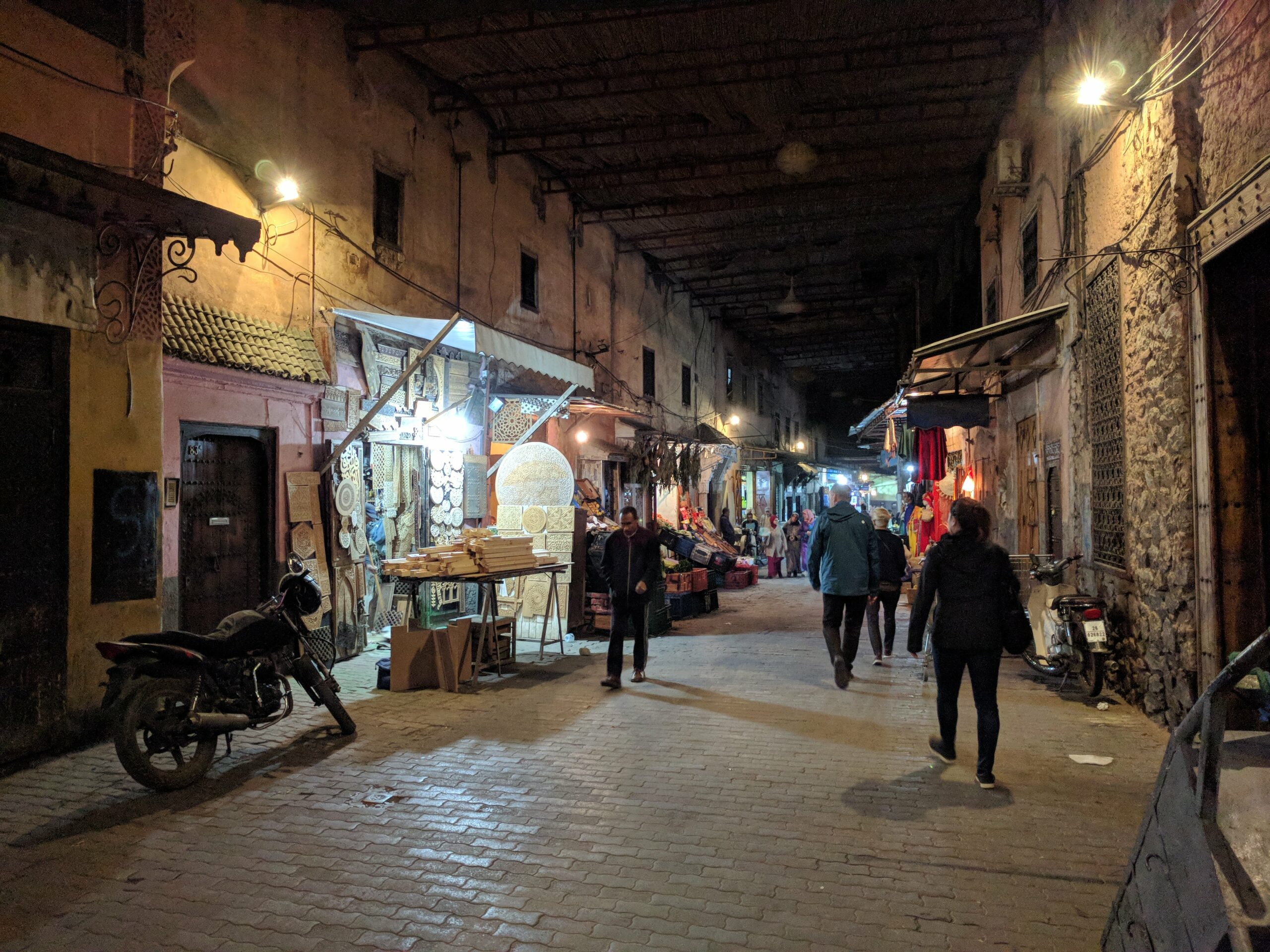
    Quiet street in Marrakech medina with traditional architecture, answering is Marrakech safe to visit
    A typical quiet alley in the Marrakech medina. Most areas are busy and safe during the day.

    If you type “is Marrakech safe” into Google, you will see thousands of results. People ask this question constantly. They also search “is Marrakech safe for women”, “how safe is Marrakech”, and “is it safe to go to Marrakech”. I understand the concern. News can make any unfamiliar place sound risky. But after living part of the year in Morocco and visiting Marrakech more times than I can count, I want to give you a straight answer.

    This article is not written by AI or a marketing team. It is written by people who walk the streets of Marrakech every week. We will look at real data, real experiences, and separate fear from facts.

    So, is Marrakech safe? The short answer

    Yes, Marrakech is generally safe for tourists. The vast majority of visitors have trouble‑free trips. Violent crime against tourists is very rare. The main issues are petty theft, pushy sellers, and occasional scams. These are annoying but not dangerous. The Moroccan government takes tourism security seriously. You will see police in the main square and around major attractions.

    That said, safety is not absolute anywhere. You need to use common sense. Do not walk alone in dark alleys at 2am. Keep your bag closed in crowded markets. Do not flash expensive cameras or phones. If you follow these basic rules, your chance of problems drops to almost zero.

    Is Marrakech safe to visit compared to other cities?

    Many people ask “is Marrakech safe to visit” because they compare it to European or American cities. Statistically, Marrakech has less violent crime than most large US cities. Pickpocketing rates are similar to Rome or Barcelona. The difference is that in Marrakech, you also deal with touts and guides who can be persistent. That persistence is not danger. It is just part of the local market culture.

    I have walked through the medina at 10pm many times. It felt no riskier than walking through a busy neighbourhood in Paris or London. The key is to stay where there are people and lights. The main square, Jemaa el-Fna, is lively and safe late into the night because of the crowds and police presence.

    Is Marrakech safe for women? A detailed look

    This is the most common variation of the question: “is Marrakech safe for women”. The answer depends on a few factors, but generally yes, with some caveats.

    Solo female travellers visit Marrakech every day and have positive experiences. However, you will likely receive more attention than you would in Europe or North America. Men may say hello, ask where you are from, or offer to show you directions. Most of this is harmless, but it can feel intense if you are not used to it. A firm “no thank you” and walking away usually works. Wearing modest clothing (covering shoulders and knees) reduces unwanted attention significantly.

    At night, stick to well‑lit areas and take taxis rather than walking long distances alone. The city has female‑only sections on some buses and trains, which can make you more comfortable. Many riads (traditional guesthouses) are run by women and feel very safe.

    One female traveller told me: “I was nervous before going, but I never felt truly unsafe. People stared sometimes, but no one touched me or threatened me. I just ignored the catcalls and kept walking.” Another said: “I took a guided tour on my first day, and that gave me confidence to explore alone afterwards.”

    So, is Marrakech safe for women? Yes, if you are aware of the cultural differences and take basic precautions. It is not dangerous, but it is different from travelling in Western countries.

    Practical tip for women: Book a guided tour for your first day. A local guide shows you the main areas, explains local customs, and helps you understand which streets are safe. After that, you can explore on your own with more confidence.

    How safe is Marrakech for solo travellers?

    If you search “how safe is Marrakech” as a solo traveller, the answer is similar to the above. Solo travel in Marrakech is very common. Hostels and budget riads have common areas where you can meet other travellers. Many people form small groups to explore together.

    The main risk for solo travellers is not crime, but getting lost in the medina. The old city is a maze. Even with Google Maps, you can take wrong turns. Getting lost is not dangerous – someone will always point you back to the main square – but it can be stressful. I recommend downloading offline maps and carrying a paper map from your riad as backup.

    Also, be careful with accepting unsolicited help. Some locals will offer to guide you and then ask for money. A simple “la, shukran” (no, thank you) is enough. If you genuinely need directions, ask a shopkeeper or a woman with children – they are usually happy to help without expecting payment.

    Is it safe to go to Marrakech at night?

    Many people wonder “is it safe to go to Marrakech” after dark. The main tourist areas – Jemaa el-Fna square, the restaurants around the square, and the main taxi stands – are safe at night because they are busy and well‑lit. You will see families, couples, and police until around midnight.

    After midnight, the square becomes quieter. Some stalls close. I would not recommend walking alone through the narrow side alleys after 1am. Take a taxi instead. Taxis are cheap (around 2-3 euros for a short ride) and easy to find near the square.

    One thing to note: some areas outside the medina, like the new city (Gueliz), are also safe at night with restaurants and cafes open late. The main risk anywhere at night is the same as any city: pickpockets and drunk people. Keep your valuables hidden and stay aware of your surroundings.

    Common concerns: scams, theft, and harassment

    Let us be honest about the things that actually happen in Marrakech, because pretending they do not exist does not help anyone.

    Scams: The most common scam is the “helpful local” who guides you somewhere and then demands money. Another is the “free” henna tattoo in the square – they draw a small pattern and then insist you pay 20 euros. Also, some shopkeepers will quote a high price for an item, expecting you to haggle. None of this is dangerous, but it is annoying. The solution is simple: agree on any price beforehand, say no firmly, and walk away if you feel pressured.

    Theft: Pickpocketing happens in crowded areas, especially around Jemaa el-Fna at night. Keep your wallet in a front pocket or a cross‑body bag. Do not put your phone in your back pocket. Bag snatching is rare but possible on quiet streets. Use a bag that zips closed and wear it across your body.

    Harassment: Verbal harassment (catcalling, comments) happens, especially to women walking alone. It is usually not aggressive. Most men will stop if you ignore them. If someone follows you, walk into a shop or a cafe and ask for help. Sexual assault is very rare in tourist areas and is taken seriously by the police.

    Knowing these risks does not mean Marrakech is unsafe. It means you should be aware, just like you would be in any big city.

    What about political unrest or terrorism?

    Some people ask “how safe is Marrakech” because of news about regional tensions. Morocco is one of the most stable countries in North Africa. The government invests heavily in security for tourist areas. Terrorist attacks are extremely rare. The last major attack in Marrakech was in 2011. Since then, security has been increased significantly. You will see bag checks at hotel entrances and police checkpoints on major roads. This is routine, not a sign of danger.

    For comparison, the risk of a terrorist incident in Marrakech is lower than in many European cities. I do not say this to downplay concerns, but to give you perspective based on actual data.

    Is Marrakech safe for families with children?

    Yes. Families visit Marrakech all the time. Children enjoy the horse carriages, the monkey handlers (though some find them exploitative), and the fresh juice stalls. The main safety concern for families is keeping track of kids in crowded areas. Hold young children’s hands in the souks and the main square. Also, be careful with street food – stick to busy stalls with high turnover to avoid stomach issues.

    Most riads and hotels are happy to accommodate children. Some even offer babysitting services. Public transport is not stroller‑friendly in the medina (too many steps and narrow passages), so bring a baby carrier instead.

    Practical safety tips for Marrakech

    Here is a simple list based on real experience, not theory:

    1. Dress modestly. You do not need to cover your hair, but shorts and sleeveless tops attract unwanted attention. Lightweight trousers and t‑shirts are fine.
    2. Stay in a reputable riad or hotel. Read recent reviews on booking sites. Good accommodation will give you safety advice and can arrange trusted guides.
    3. Use official taxis. Small beige taxis (petit taxis) are metered. Make sure the driver turns on the meter. If not, agree on a price before you get in.
    4. Keep a copy of your passport. Leave the original in the hotel safe. Carry a photocopy for identification.
    5. Learn a few words of Arabic or French. “La, shukran” (no, thank you) stops most touts. “Salam alaykum” (peace be upon you) is a respectful greeting.
    6. Trust your gut. If a street feels unsafe, turn around and go back to a busier area. If someone makes you uncomfortable, walk into a shop or cafe.
    7. Have emergency numbers. Police: 19. Ambulance: 15. Your embassy’s local number. Save them in your phone.

    What do other travellers say? Real experiences

    I have read hundreds of reviews and forum posts about safety in Marrakech. The pattern is clear: most people feel safe and enjoy their trip. Negative experiences usually involve pickpocketing or feeling hassled by sellers. Very few people report physical violence or serious crime.

    One recent traveller wrote: “I was worried before going because of online forums. But honestly, it was fine. People were friendly. The medina is chaotic but not dangerous. I would go back tomorrow.” Another said: “As a solo woman, I got a lot of stares and comments, but no one touched me. I learned to ignore it after the first day.”

    Another common theme: taking a guided tour on the first day makes a huge difference. Guides explain the layout, point out safe and less safe areas, and help you learn how to handle touts. After that, exploring alone feels much easier.

    Recommendation: If you want to feel completely at ease, book a half‑day guided tour of the medina. A local guide will walk you through the main sights, explain local customs, and give you confidence for the rest of your trip.

    Marrakech Medina Guided Tour (Half Day)

    Is Marrakech safe to visit in 2026? Final verdict

    After looking at the data, the real experiences, and the actual risks, here is my honest conclusion: yes, Marrakech is safe to visit. It is not risk‑free, but no city is. The risks that exist are mostly petty theft and harassment, not violence. With basic precautions, you are very unlikely to have serious problems.

    Thousands of tourists visit Marrakech every week. They walk the souks, eat in the square, and sleep in riads. The vast majority leave with great memories and no safety issues. Do your research, stay aware, and treat locals with respect. You will likely have a wonderful time.

    If you are still nervous, start with a guided tour. It removes the uncertainty and gives you a local contact who can answer your questions. The link above is one option from a reliable operator.


    Still have questions about safety in Marrakech? Feel free to contact local tour operators directly. They deal with these questions every day and can give you up‑to‑date advice for your specific situation. Have a safe and enjoyable trip.

  • Marrakech Holidays 2026: Best All Inclusive, Cheap & Safe Travel Guide

    Marrakech Holidays 2026: Best All Inclusive, Cheap & Safe Travel Guide

    Marrakech Holidays 2026 – Complete Guide: Cheap, All Inclusive & Safety Tips

    Marrakech Holidays 2026: Honest Guide on Cheap Packages, All Inclusive & Safety

    Bab Agnaou gate in Marrakech, landmark for holidays to Marrakech
    Bab Agnaou, one of the most famous gates in Marrakech’s medina.

    Every year, thousands of travellers look for holidays to Marrakech. Some want cheap holidays to Marrakech, others prefer all inclusive holidays to Marrakech. And many ask the same question: is Marrakech safe to go on holiday? This article gives you straightforward answers. No exaggerated marketing, no robotic language. Just practical information from people who live and work in Morocco.

    I have visited Marrakech many times and worked with local guides for years. The city has a strong character. You will hear the call to prayer, smell cumin and saffron in the souks, and see donkeys sharing the road with scooters. It is chaotic, beautiful, and surprisingly easy to navigate once you know a few things.

    Why Marrakech is a good place to go on holiday

    People often ask: is Marrakech a good place to go on holiday? The short answer is yes. The longer answer is that it depends on what you like. If you enjoy history, food markets, gardens, and walking through narrow medieval streets, you will love it. If you want silent beaches or modern glass towers, maybe not. But for culture and atmosphere, few cities compare.

    The weather is warm most of the year. Spring (March to May) and autumn (September to November) are the best times for holidays to Marrakech. Summer can be very hot, but many hotels have pools and air conditioning. Winter days are mild and sunny, perfect for exploring without sweating.

    Cheap holidays to Marrakech: how to do it right

    You do not need a huge budget for a holiday to Marrakech. Cheap holidays to Marrakech are very possible if you avoid the most expensive resorts and book locally. A decent room in a traditional riad (a house with an inner courtyard) costs between 30 and 60 euros per night in low season. Food is affordable too. A good tagine in a local restaurant is 5 to 8 euros. Street food like msemen (fried flatbread) or harira soup costs less than 2 euros.

    Flights from Europe are frequent. Airlines like Ryanair, Easyjet, and Transavia offer cheap connections to Marrakech Menara Airport. Booking two to three months in advance usually gives the best rates. Once you arrive, use the airport bus (line 19) for 4 euros or share a taxi for around 10 euros to the city centre.

    One tip: many travellers overspend on organised day trips sold in the main square. Instead, book directly with small local agencies or ask your riad host. You will save 30 to 50 percent.

    All inclusive holidays to Marrakech and Morocco

    If you prefer a stress‑free stay, all inclusive holidays to Marrakech are widely available. All inclusive holidays to Morocco Marrakech typically include flights, transfers, hotel, meals, and sometimes a few excursions. This option works well for families or travellers who do not want to worry about where to eat every night.

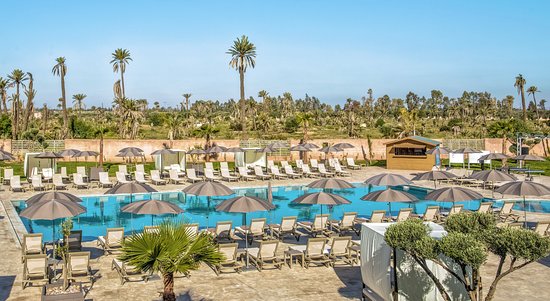
    Most all inclusive resorts are located in the Palmeraie district or on the outskirts of the city. They have large pools, entertainment, and buffets with Moroccan and international food. The downside is that you stay far from the real medina. A taxi to the centre takes 20 minutes and costs about 7 euros one way. Some people prefer that distance. Others find it isolating. If you choose all inclusive holidays to Marrakech, try to spend at least one full day inside the old city walls. That is where the soul of Marrakech lives.

    ► Guided tour of the medina (half day)
    The best way to understand Marrakech is to walk the labyrinth with a local guide. You will see the secret courtyards, the old tanneries, and the bustling souk sections that most tourists miss. This half‑day tour is practical, well‑priced, and run by knowledgeable guides.

    Book Marrakech medina guided tour →
    Berber market and local village in the Atlas mountains near Marrakech
    Weekly Berber market in the Atlas foothills – a short drive from Marrakech.

    Is Marrakech safe to go on holiday? A realistic answer

    The question “is it safe to go on holiday to Marrakech” appears very often in travel forums. I understand why. News sometimes shows protests or political events in Morocco, but those are rare and usually far from tourist areas. In reality, Marrakech is one of the safer cities in North Africa for visitors.

    Petty crime exists, like pickpocketing in crowded souks or someone trying to overcharge you for a taxi ride. This is similar to Rome, Barcelona, or Paris. Violent crime against tourists is extremely low. The police presence is visible around Jemaa el-Fna square and major attractions. Women travelling alone report feeling comfortable, especially during daytime. At night, stick to well‑lit streets and avoid walking alone in very empty alleys.

    Another common search: is Marrakech safe to go on holiday for families? Yes. Many families visit every year. Children enjoy the snake charmers (though some parents find them too touristy), the horse carriages, and the fresh orange juice stalls. Just keep an eye on your belongings and teach kids to stay close in busy markets.

    So, is it safe to holiday in Marrakech? Generally yes. Use the same common sense you would use in any big city. Leave your passport in the hotel safe. Do not flash expensive jewellery. Agree on taxi fares before getting in. If you follow these basics, you will likely have a smooth trip.

    Is Marrakech a good place to holiday for culture lovers?

    Absolutely. The city is packed with historical sites. The Ben Youssef Madrasa, the Saadian Tombs, the Bahia Palace, and the bustling souks offer weeks of exploration. One of the most fascinating experiences is visiting a traditional Berber market outside the city. The atmosphere is completely different from the medina: more local, less polished, and very welcoming.

    ► Berber market and local village visit
    This half‑day trip takes you to a real weekly market where Berber villagers sell livestock, vegetables, pottery, and wool. After the market, you visit a nearby village and have tea with a local family. It is a down‑to‑earth experience, far from the tourist crowds.

    Check Berber market tour →

    Many people who book cheap holidays to Marrakech add this kind of trip because it is affordable and memorable. You see how people live in the Atlas mountains, and you understand why Morocco is so diverse.

    All inclusive holidays to Morocco Marrakech: what to expect

    If you search for “all inclusive holidays to morocco marrakech”, you will find packages that combine a resort stay with guided visits to the medina or the desert. These packages often include airport pickup, daily breakfast and dinner, plus one or two excursions. Read the fine print: some “all inclusive” deals only include soft drinks, not alcohol. Others include a limited menu at the hotel restaurant. Still, for many travellers, the convenience is worth it.

    A good middle ground is to book a flight + riad package through a trusted operator, then add two or three guided tours separately. That way you get flexibility and local prices. The two links above (medina tour and berber market) are examples of high‑quality cultural visits that work well with any type of holiday package.

    Practical tips for holidays to Marrakech

    Here are a few things I learned from repeated visits:

    Money: Carry cash in dirhams. Many small shops and taxis do not accept cards. ATMs are available near Jemaa el-Fna, but avoid isolated machines at night.
    Clothing: Marrakech is more relaxed than rural areas, but it is respectful to cover shoulders and knees when entering mosques or visiting local neighbourhoods. Lightweight cotton and linen work best.
    Water: Do not drink tap water. Buy bottled water – it is cheap and everywhere.
    Scams: Someone may offer to show you directions and then ask for money. A polite “no thank you” works. Also, if a restaurant menu has no prices, ask before ordering.
    Language: French is widely spoken, and many people in tourism speak English. Learning a few words of Darija (Moroccan Arabic) like “salam” (hello) and “shukran” (thank you) is appreciated.

    What about cheap holidays to Marrakech in peak season?

    Even during Christmas or Easter, you can find cheap holidays to Marrakech if you book accommodation slightly outside the medina. Look at areas like Gueliz or Hivernage. They are modern neighbourhoods with good bus links to the old city. Prices there are often half of what you pay inside the medina walls. And you get larger rooms and actual car access (the medina is mostly pedestrian).

    Also, consider travelling in late January or early February. The weather is still pleasant (around 18°C during the day), and flights are noticeably cheaper. You avoid the huge crowds of spring.

    Frequently asked questions from real travellers

    Is Marrakech safe to go on holiday alone as a woman?
    Many solo female travellers visit Marrakech every year and have positive experiences. Stay in a reputable riad, dress modestly, and avoid walking alone after midnight. Join group tours for the first day to get oriented.

    Is it safe to go on holiday to Marrakech with children?
    Yes. Families are common. Children will enjoy the horse carriages, the gardens, and the lively square. Just keep them close in busy areas.

    Is Marrakech a good place to go on holiday for two weeks?
    Yes, but consider combining it with other destinations like Essaouira (2.5 hours by bus) or the Sahara desert. One week in Marrakech is enough to see the main sights. For two weeks, add a desert tour or coastal time.

    Final thoughts: booking your Marrakech holiday

    To wrap up: holidays to Marrakech work for almost every budget. Cheap holidays to Marrakech are real if you avoid high‑season prices and eat where locals eat. All inclusive holidays to Marrakech offer comfort and predictability, especially for families. And the safety question? As long as you take normal precautions, Marrakech is a welcoming, fascinating destination.

    If you want to experience the city beyond the surface, book a guided medina tour on your first or second day. It gives you context, history, and confidence to explore on your own afterwards. And the berber market visit is a wonderful escape from the urban noise.

    Below are the direct links to those two experiences. They are run by local professionals who have been guiding travellers for years.


    Planning a holiday to Marrakech? Use this guide as a reference. Whether you look for cheap holidays to Marrakech, all inclusive holidays to Morocco Marrakech, or just want to know “is it safe to holiday in Marrakech” – the city is ready to welcome you. Have a good trip.

  • 25 Best Things to Do in Marrakech (2026 Guide + Hidden Gems)

    25 Best Things to Do in Marrakech (2026 Guide + Hidden Gems)

    25 Best Things to Do in Marrakech (2026 Guide + Hidden Gems) | Beyond Morocco Travel
    2026 ULTIMATE GUIDE

    25 Best Things to Do in Marrakech (2026 Guide + Hidden Gems)

    From bustling souks & hidden riads to Sahara escapes — your complete insider’s guide to Morocco’s Red City

    ✨ Why Marrakech Belongs on Your Bucket List

    Marrakech, the vibrant heart of Morocco, pulses with energy, color, and ancient mystique. In 2026, the Red City continues to enchant travelers with its perfect blend of tradition and modern flair. Whether you’re hunting for things to do in marrakech or seeking the best things to do in marrakech for an unforgettable trip, this guide covers iconic landmarks, local secrets, and adventurous day trips. Ranked among the world’s top destinations, Marrakech offers sensory overload in the best way possible — from snake charmers in Jemaa el-Fnaa to peaceful gardens hidden behind ocher walls.

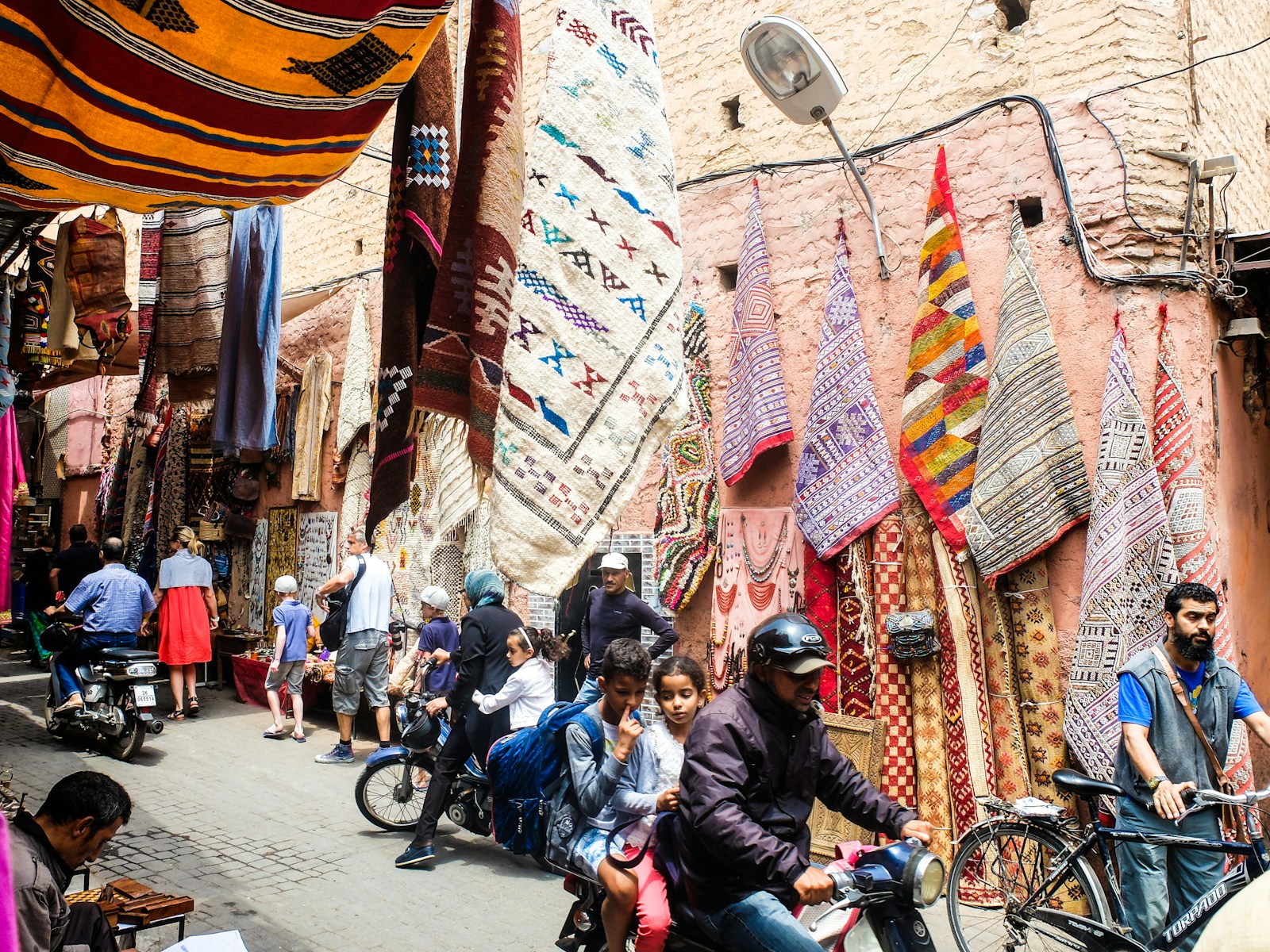
    Traditional souk in Marrakech with colorful lanterns and textiles

    The famous souks of Marrakech – a labyrinth of artisanal treasures and vibrant energy

    🏛️ Top Iconic Attractions (Must-Sees)

    These are the unmissable landmarks that define Marrakech. Each site tells a story of sultans, artists, and spiritual heritage. Perfect for first-time visitors looking for the top things to do in marrakech.

    1. Jemaa el-Fnaa Square

    UNESCO heart of Marrakech, alive with storytellers, food stalls, and drummers by night.

    2. Koutoubia Mosque

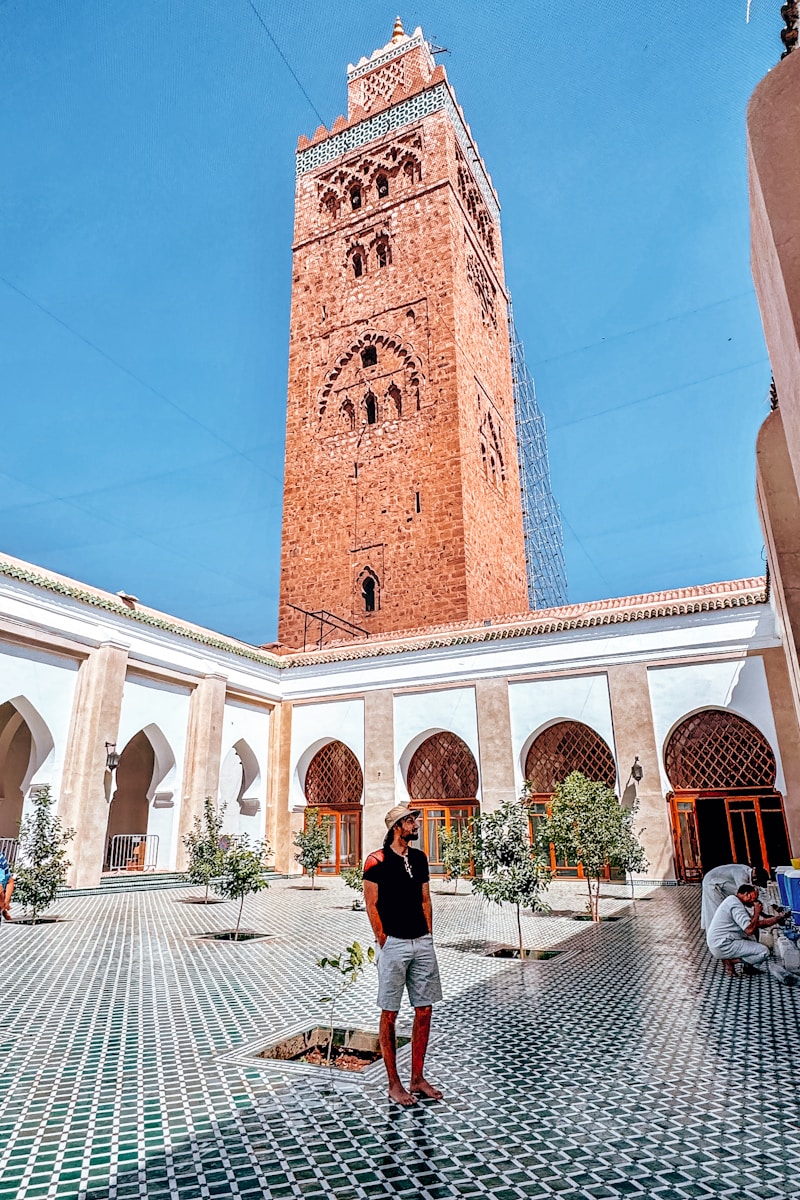
    Iconic 12th-century minster, visible from everywhere — gardens are perfect for sunset.

    3. Bahia Palace

    Exquisite Moroccan-Islamic architecture with stunning courtyards and intricate zellij.

    4. Saadian Tombs

    Secret rediscovered tombs from the 16th century, showcasing lavish decoration.

    5. Majorelle Garden

    Bold blue villa & exotic plants — former home of Yves Saint Laurent, a serene oasis.

    6. Ben Youssef Madrasa

    Stunning Islamic college with mesmerizing mosaics and peaceful inner courtyard.

    🛍️ Souk Shopping & Medina Magic

    Lose yourself in the labyrinthine souks, where each alley specializes in leather, metalwork, textiles, or spices. Bargaining is part of the fun — be respectful and enjoy the dance. The medina is a living museum and one of the best things to do in Marrakech for cultural immersion.

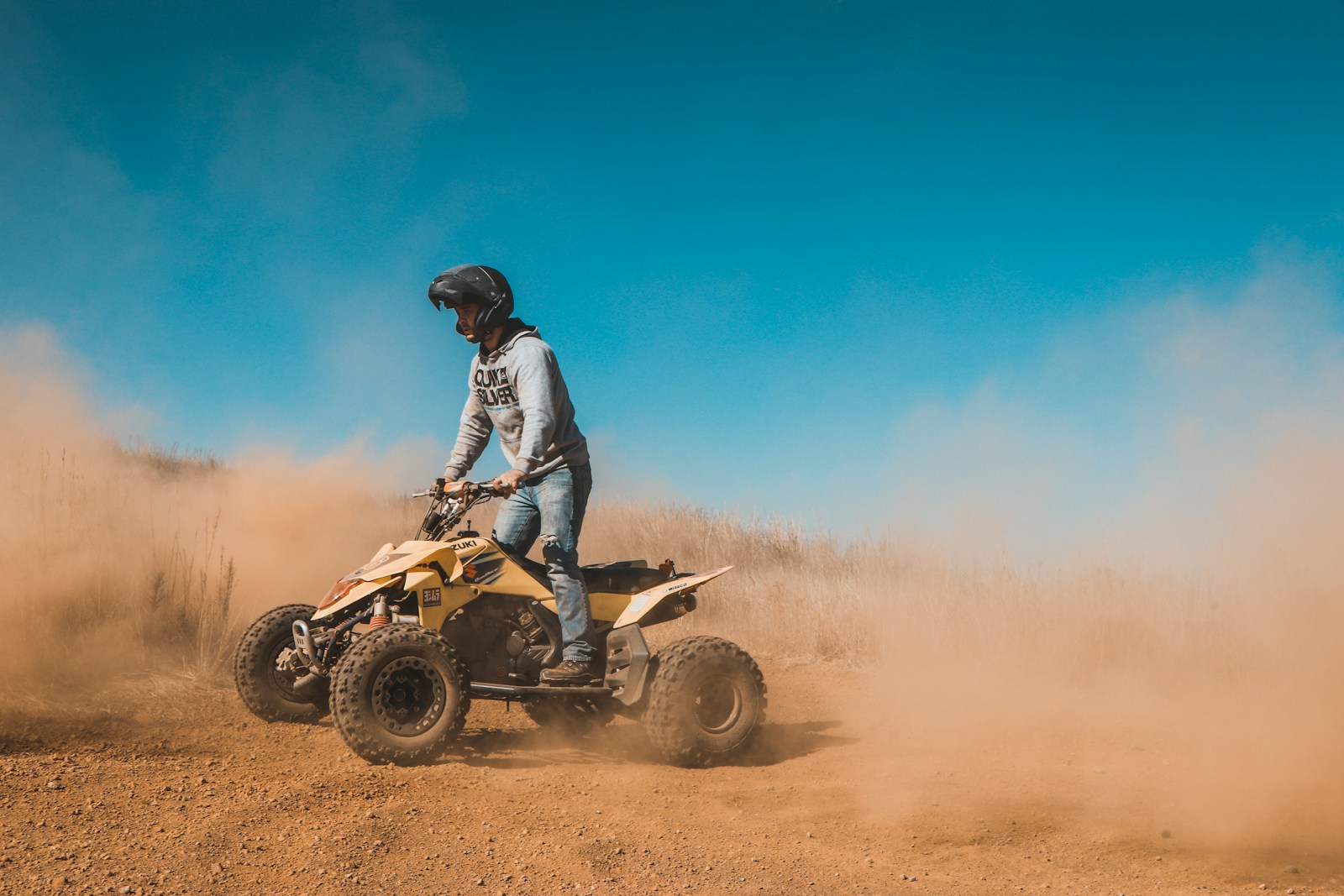
    Quad biking adventure in the rocky desert near Marrakech

    Thrilling quad biking across the Agafay desert – an adrenaline-packed activity

    🏜️ Desert & Outdoor Adventures

    Beyond the medina, Marrakech is a gateway to rugged landscapes. Whether you crave adrenaline or slow-paced nature, these activities rank among the top things to do in marrakech for thrill-seekers.

    • Quad Biking in Palm Grove or Agafay: Race across stone deserts and palm-fringed trails.
    • Camel Ride at Sunset: Short excursion to the Palmeraie – perfect for families and photos.
    • Hot Air Balloon over Atlas Foothills: Soar above Berber villages at sunrise.
    • Atlas Mountains Hiking: Day trek to Imlil Valley or Toubkal base for stunning views.
    • Ouzoud Waterfalls Day Trip: Swim and spot wild monkeys — a natural wonder 2.5h away.

    🔥 Hidden Gems Only Locals Know

    • Le Jardin Secret: Restored riad with Islamic garden and panoramic tower (less crowded).
    • El Badi Palace Ruins: Quiet, dramatic stork nests and underground chambers.
    • Mouassine Fountain & Quarter: Authentic local vibe, beautiful 16th-century fountain.
    • Dar El Bacha Museum (Confluences): Stunning preserved palace & coffee museum.
    • Anima Garden: André Heller’s surreal botanical art garden, off the beaten path.
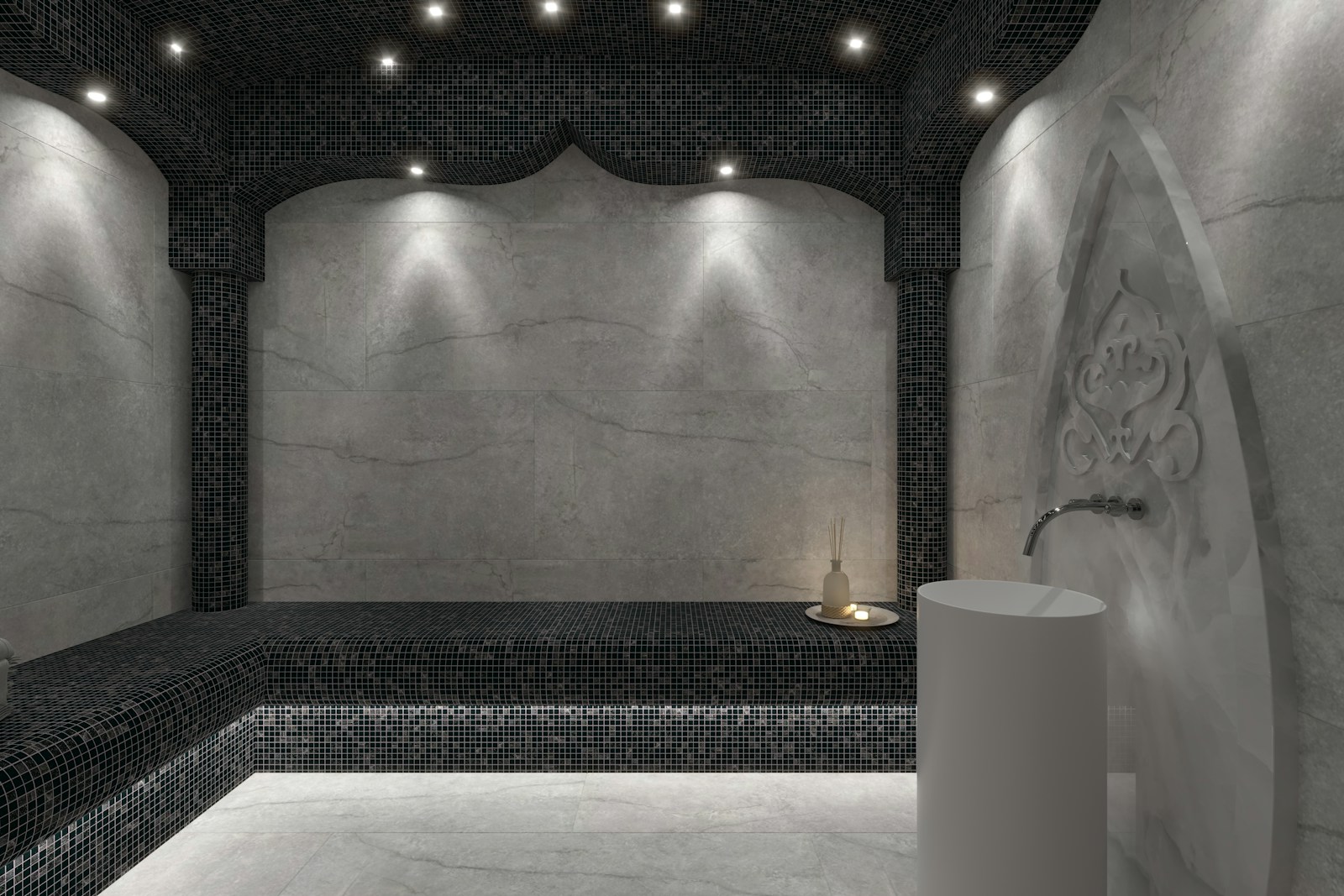
    Traditional Moroccan hammam ritual with black soap and argan oil

    Authentic hammam experience — relax and rejuvenate like a local

    🛁 Relaxation: Hammam & Spa Culture

    After exploring dusty souks, a traditional hammam is non-negotiable. Marrakech is home to both luxury spas and local bathhouses. Try the “gommage” scrub followed by argan oil massage — total bliss. For a genuine local experience, visit Hammam Mouassine or treat yourself at La Mamounia.

    🍛 Culinary Experiences: Taste of Marrakech

    Moroccan cuisine shines in Marrakech. From street stalls to fine dining, you can’t miss: tagine, couscous, pastilla, and msemen. Join a cooking class in a riad, taste fresh orange juice in Jemaa el-Fnaa, and sip mint tea at Café des Épices. Food tours reveal hidden food alleys.

    🎭 Nightlife & Cultural Evenings

    As the sun sets, Marrakech transforms. Jemaa el-Fnaa becomes an open-air theater with Gnaoua musicians, acrobats, and grill smoke. For modern vibes, check out rooftop bars like Le Salama or Theatro — blending cocktails with city panoramas. For a unique dinner show, Chez Ali offers fantasia horseback performances.

    🗺️ Day Trips From Marrakech (Essential Add-Ons)

    Extend your adventure with these world-class excursions — each less than 2-3 hours from the city:

    • Atlas Mountains & Berber Villages: Walk with local guides, visit argan cooperatives.
    • Agafay Desert Dinner & Stargazing: Rocky desert, luxury camp, sunset camel ride.
    • Essaouira Day Trip: Coastal breeze, Portuguese fortifications, fresh seafood.
    • Ourika Valley & Waterfalls: Lush river valley, Berber markets, waterfall hike.
    • 3-Day Sahara Desert to Merzouga: For epic dunes, overnight camp, and stars.
    Local guide explaining history in Marrakech medina

    Expert local guides bring Marrakech’s stories to life — unlock hidden corners

    📅 Seasonal Guide: Best Time to Visit Marrakech 2026

    Spring (March–May) and autumn (September–November) offer perfect weather for exploring. Summer can be hot, but pools and air-conditioned riads help. Winter is mild — ideal for desert trips without scorching heat. Festivals like Marrakech International Film Festival (Nov/Dec) add extra charm.

    🎒 Pro Tips for First-Time Visitors

    • Get lost on purpose — the medina’s charm is in unexpected finds.
    • Wear comfortable shoes; cobblestones are everywhere.
    • Learn basic Arabic/French greetings: “Salam” goes a long way.
    • Carry small dirham coins for toilets and tips.
    • Respect local dress in religious sites (cover shoulders/knees).

    🏨 Where to Stay: Riads vs. Hotels

    For authentic charm, book a riad (traditional house with courtyard) inside the medina. Many offer rooftop terraces with views. For modern luxury, choose Hivernage or Palmeraie resorts. Popular riads: Riad Yasmine, Riad Be Marrakech, or La Sultana.

    ✅ Final Verdict: 25 Best Things to Do in Marrakech

    From the buzz of Jemaa el-Fnaa to the tranquility of Majorelle Garden and the thrills of quad biking, Marrakech promises an intoxicating mix. Use this 2026 guide to uncover hidden gems, devour tagine, and return home with stories that last a lifetime. Ready to explore the best things to do in marrakech? Start planning your journey now.

    ✈️ Ready to Experience Marrakech?

    Let Beyond Morocco Travel craft your perfect Marrakech itinerary — whether you’re into culture, adventure, or relaxation. Our local experts handpick riads, guides, and exclusive tours.

    Book Your Marrakech Adventure

    ⭐ Private tours | Camel & quad combos | Airport transfers

  • Why Morocco Should Be Your Next Holiday Destination

    Why Morocco Should Be Your Next Holiday Destination

    Why Morocco Should Be Your Next Holiday Destination

    Why Morocco Should Be Your Next Holiday Destination

    Discover the magic of North Africa with its rich culture, stunning landscapes, and unforgettable experiences

    An Unforgettable Journey Awaits

    Morocco stands as one of the most captivating travel destinations in the world, offering a perfect blend of ancient traditions and modern comforts. From the bustling medinas to the serene Sahara, this North African gem promises an adventure that will engage all your senses and leave you with memories to last a lifetime.

    Stunning courtyard architecture of Ben Youssef Madrasa in Marrakech

    The breathtaking courtyard of Ben Youssef Madrasa in Marrakech showcases Morocco’s exquisite Islamic architecture

    What makes Morocco truly special is its ability to offer something for every type of traveler. Whether you’re seeking cultural immersion, adventurous activities, romantic getaways, or family-friendly experiences, Morocco delivers beyond expectations.

    Top Reasons to Choose Morocco

    • Cultural Richness: Centuries of history blending Arab, Berber, and European influences
    • Geographic Diversity: From Sahara desert to Atlas Mountains and Atlantic coastline
    • Culinary Excellence: World-renowned cuisine featuring tagines, couscous, and mint tea
    • Affordable Luxury: High-quality experiences at surprisingly reasonable prices
    • Year-Round Destination: Pleasant climate throughout most of the year

    Immerse Yourself in Rich Cultural Heritage

    Morocco’s cultural tapestry is woven from centuries of diverse influences including indigenous Berber traditions, Arab heritage, and European colonial history. This unique blend creates an environment where ancient customs thrive alongside contemporary life.

    Historic street in the Mellah Jewish quarter of Marrakech

    The historic Mellah quarter in Marrakech showcases Morocco’s diverse cultural heritage

    Imperial Cities: Living History

    The four imperial cities – Marrakech, Fes, Meknes, and Rabat – offer unparalleled glimpses into Morocco’s royal past. Each city boasts magnificent palaces, ancient mosques, and labyrinthine medinas that transport visitors back in time while offering modern amenities and comforts.

    Artisan Traditions

    Morocco is renowned for its artisan crafts, from intricate zellij tilework and hand-woven carpets to leather goods and metalwork. Visiting the souks and artisan quarters provides not just shopping opportunities but cultural education and appreciation for centuries-old techniques.

    Experience Breathtaking Natural Diversity

    Few countries can match Morocco’s geographic variety within such a compact area. In a single trip, you can experience multiple climate zones and landscapes that would require crossing continents elsewhere.

    The Majestic Sahara Desert

    A journey to the Sahara offers one of travel’s most profound experiences. The silence of the desert, the brilliance of the stars at night, and the warmth of Berber hospitality create memories that linger long after you return home. Camel treks, overnight camping, and sunrise over the dunes are highlights no visitor forgets.

    Atlas Mountains Adventure

    The Atlas Mountains provide stunning scenery and outdoor activities for all levels. From gentle walks through Berber villages to challenging treks up Mount Toubkal, North Africa’s highest peak, the mountains offer fresh air, breathtaking views, and cultural encounters with local communities.

    Historic gate and fortifications in Essaouira, Morocco

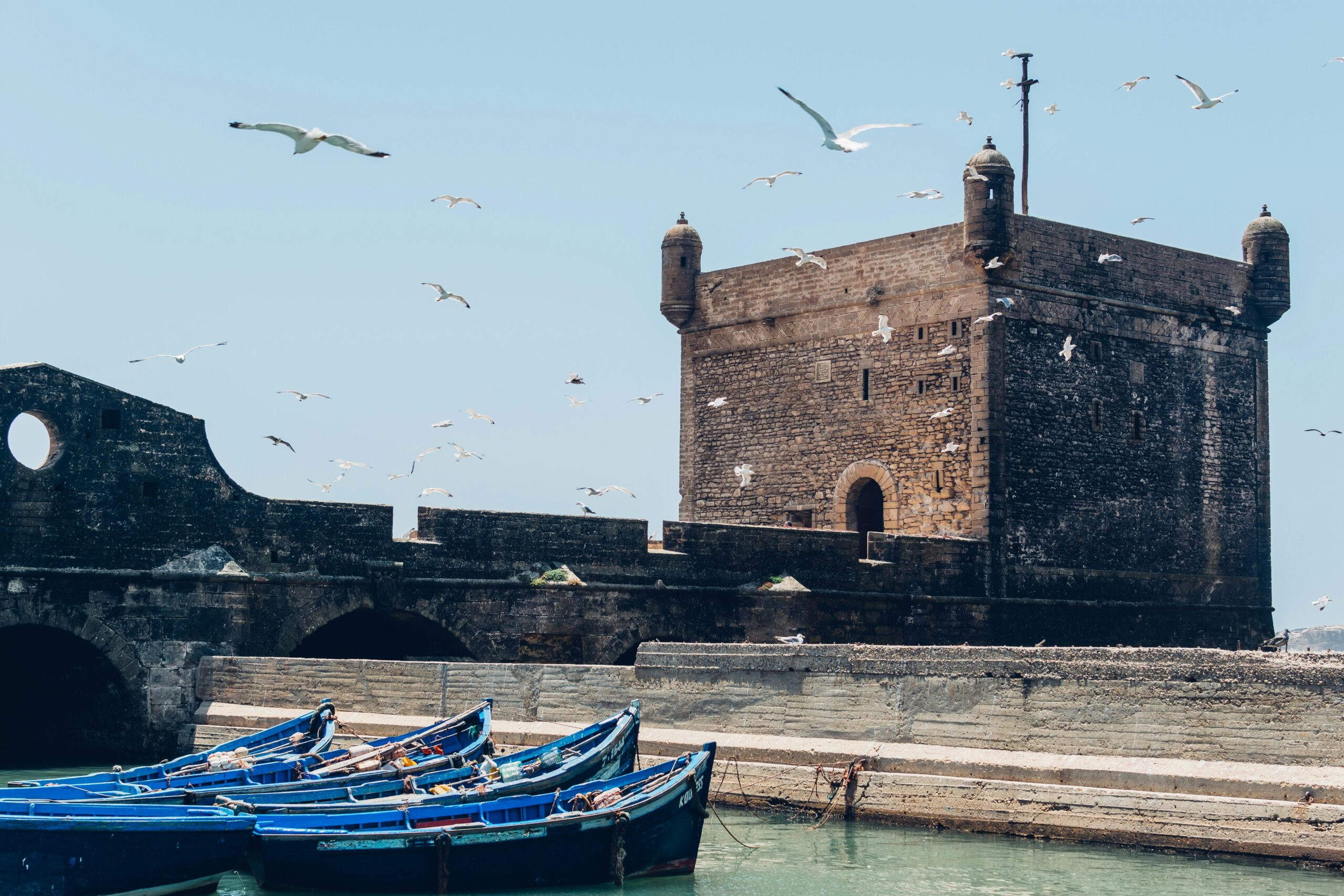
    The historic Skala du Port in Essaouira offers stunning ocean views and a glimpse into Morocco’s coastal heritage

    Coastal Escapes

    Morocco’s Atlantic coast provides beautiful beaches, charming fishing villages, and excellent water sports. Essaouira, with its fortified medina and constant breeze, has become a favorite for those seeking a more relaxed pace while still enjoying Moroccan culture.

    Culinary Delights: A Food Lover’s Paradise

    Moroccan cuisine ranks among the world’s most flavorful and diverse. The country’s geographic position has created a culinary tradition that blends Mediterranean, African, and Arab influences into something uniquely delicious.

    Must-Try Moroccan Dishes

    From the complex spices of tagines to the delicate layers of pastilla and the communal experience of couscous Fridays, Moroccan food is both nourishment and cultural expression. Don’t miss the opportunity to participate in a cooking class to bring these flavors home with you.

    The Art of Mint Tea

    More than just a beverage, mint tea represents Moroccan hospitality. The ritual of pouring from height to create foam, the perfect balance of green tea, fresh mint, and sugar, and the social aspect of sharing tea are integral to understanding Moroccan culture.

    Practical Travel Advantages

    Accessibility: Well-connected international airports in Casablanca, Marrakech, and Fes with direct flights from major European cities

    Infrastructure: Excellent roads, reliable trains between major cities, and a range of accommodation from luxury riads to desert camps

    Safety: Morocco is considered one of the safest countries in Africa for tourists

    Value: Your travel budget goes further with affordable accommodation, dining, and transportation options

    Unique Experiences You Won’t Find Elsewhere

    Morocco offers distinctive experiences that set it apart from other destinations. These moments become the highlights that travelers cherish most.

    Traditional Hammam

    Experience a traditional hammam, the Moroccan bathhouse ritual that cleanses both body and spirit. From luxury spa versions to local public bathhouses, this is an authentic cultural experience that leaves you refreshed and renewed.

    Night in a Desert Camp

    Sleeping under the stars in a Berber desert camp, with only the sound of the wind and the incredible Milky Way overhead, is a transformative experience that reconnects you with nature in its purest form.

    Riads: Living Like Royalty

    Staying in a riad – a traditional Moroccan house with an interior garden or courtyard – offers architectural beauty and peaceful retreat from the bustling medinas. Many have been restored to offer modern comforts while preserving historic character.

    When to Visit Morocco

    Morocco’s diverse geography means there’s rarely a bad time to visit, though certain seasons suit different interests:

    Spring (March-May)

    Ideal for most travelers with pleasant temperatures throughout the country, blooming landscapes, and comfortable conditions for both city exploration and desert adventures.

    Autumn (September-November)

    Another excellent season with warm days, cool nights, and harvest festivals. Perfect for hiking in the Atlas Mountains before winter snow arrives.

    Summer (June-August)

    Best for coastal areas and mountain retreats, though desert and city temperatures can be extremely hot. Great for beach vacations in Essaouira or Asilah.

    Winter (December-February)

    Perfect for desert travel and southern regions, though the Atlas Mountains offer skiing opportunities. Cities are cooler but still pleasant for exploration.

    Ready to Experience Morocco?

    Let our travel experts help you create the perfect Moroccan itinerary tailored to your interests, timeframe, and budget. From cultural immersion to adventurous expeditions, we’ll design a journey that exceeds your expectations.

    Start Planning Your Moroccan Adventure

    Conclusion: Your Unforgettable Moroccan Journey Awaits

    Morocco offers that rare combination of exotic adventure and accessible travel. Its rich history, diverse landscapes, warm hospitality, and incredible cuisine create a destination that satisfies the soul while exciting the senses.

    Whether you’re wandering through ancient medinas, riding camels into the sunset, bargaining in vibrant souks, or simply sipping mint tea while watching the world go by, Morocco has a way of capturing hearts and inspiring return visits. The question isn’t whether you should visit Morocco, but when you’ll return after your first incredible journey.

    Your Moroccan adventure begins with a single step – start planning today and discover why this North African treasure should absolutely be your next holiday destination.

  • Top Experiences You Can’t Miss in Morocco

    Top Experiences You Can’t Miss in Morocco

    Top Experiences You Can’t Miss in Morocco

    Top Experiences You Can’t Miss in Morocco

    From Sahara adventures to mountain trekking – discover Morocco’s most unforgettable experiences

    Unforgettable Moroccan Adventures Await

    Morocco offers some of the world’s most diverse and thrilling travel experiences. From the golden dunes of the Sahara to the rugged peaks of the Atlas Mountains, each adventure promises memories that will last a lifetime. Here are the essential experiences that should be on every traveler’s Moroccan itinerary.

    1. Atlas Mountains Trekking from Imlil

    Discover the breathtaking beauty of the High Atlas Mountains with guided treks through traditional Berber villages. The village of Imlil serves as the perfect starting point for exploring North Africa’s highest peaks and experiencing authentic Berber hospitality.

    Trekking in the Atlas Mountains near Imlil with local guide

    Guided trekking adventures in the Atlas Mountains offer stunning views and cultural encounters with Berber communities

    Whether you’re embarking on a day hike to nearby villages or a multi-day expedition to Mount Toubkal, the Atlas Mountains provide unparalleled natural beauty and cultural immersion. The crisp mountain air, traditional stone villages, and warm hospitality of the local Berber people create an experience that stays with you long after you descend.

    Atlas Trekking Highlights:

    • Guided hikes to Mount Toubkal, North Africa’s highest peak
    • Authentic Berber village homestays and cultural exchanges
    • Stunning valley landscapes with walnut and cherry orchards
    • Professional local guides with extensive mountain knowledge
    • Opportunities to learn about traditional Berber customs and daily life

    2. Desert Quad Biking Adventures

    Experience the thrill of riding through golden sand dunes on a quad bike adventure. This exhilarating activity allows you to explore the desert landscape in an exciting and unique way, perfect for adrenaline seekers and adventure enthusiasts.

    Desert quad biking adventure in Morocco

    Experience the thrill of desert quad biking through Morocco’s stunning sand dunes

    Professional guides lead you through stunning desert terrain, teaching proper riding techniques and ensuring your safety throughout the adventure. Whether you choose a sunrise, sunset, or overnight tour, quad biking offers a perspective of the desert that few other experiences can match.

    3. Sahara Desert Camel Trekking

    No Moroccan experience is complete without a camel trek into the Sahara Desert. Journey into the heart of the desert on a traditional camel caravan, watching the sunset over the dunes and sleeping under the stars in a Berber desert camp.

    Camel trekking in the Sahara Desert

    Camel treks through the Sahara Desert provide an authentic desert experience and unforgettable sunsets

    The silence of the desert, the brilliance of the stars at night, and the warmth of Berber hospitality around the campfire create memories that linger long after you return home. Wake up to a spectacular sunrise over the dunes before enjoying a traditional breakfast.

    4. Imperial Cities Cultural Exploration

    Discover Morocco’s royal history through its four imperial cities. Each offers unique architectural wonders, vibrant souks, and rich cultural experiences that showcase the country’s diverse heritage.

    Must-Visit Imperial Cities:

    Marrakech: The Red City with its famous Djemaa el-Fna square, Bahia Palace, and bustling souks filled with spices, textiles, and handicrafts.

    Fes: Home to the world’s largest medieval medina, ancient tanneries, and the prestigious University of Al Quaraouiyine.

    Meknes: Known for its massive royal stables, beautiful city gates, and the nearby Roman ruins of Volubilis.

    Rabat: The modern capital with historic sites, coastal charm, and beautiful Andalusian Gardens.

    5. Traditional Moroccan Cooking Classes

    Immerse yourself in Morocco’s rich culinary traditions by participating in a cooking class. Learn to prepare authentic dishes like tagine, couscous, and pastilla while understanding the spices and techniques that make Moroccan cuisine so unique.

    6. Coastal Experiences in Essaouira

    Morocco’s Atlantic coast offers beautiful beaches, charming fishing towns, and excellent water sports. Essaouira, with its fortified medina and constant breeze, is perfect for windsurfing, kite surfing, or simply relaxing by the ocean.

    Ready for Your Moroccan Adventure?

    Book your unforgettable desert experience today and create memories that will last a lifetime. Our expert guides ensure safe, exciting adventures tailored to your preferences.

    Book Your Desert Adventure Now

    All equipment provided • Professional guides • Flexible booking options

    Why These Experiences Are Unforgettable

    Each of these Moroccan experiences offers something unique that contributes to an unforgettable journey:

    What Makes Them Special:

    • Cultural Authenticity: Genuine interactions with local communities and traditions
    • Natural Beauty: Stunning landscapes from mountains to desert to coast
    • Adventure & Relaxation: Perfect balance of excitement and peaceful moments
    • Sensory Richness: Engaging all five senses with vibrant colors, sounds, smells, tastes, and textures
    • Personal Growth: Opportunities to step outside your comfort zone and create lasting memories

    Planning Your Moroccan Experience

    To make the most of your Moroccan adventure, consider these tips for planning your experiences:

    Best Time for Each Experience:

    Desert Adventures: October-April (cooler temperatures, comfortable for exploration)

    Atlas Trekking: May-June & September-October (ideal hiking conditions, beautiful scenery)

    Coastal Activities: June-September (best beach weather, perfect for water sports)

    City Exploration: March-May & September-November (pleasant temperatures for walking tours)

    Essential Packing Tips

    • Desert Trips: Light layers, scarf for sun protection, sunglasses, high-SPF sunscreen
    • Mountain Trekking: Sturdy hiking shoes, warm layers for cool evenings, daypack, water purification
    • City Exploration: Comfortable walking shoes, modest clothing for religious sites, small backpack
    • All Activities: Camera, reusable water bottle, personal medications, power bank

    Conclusion: Create Your Perfect Moroccan Adventure

    Morocco offers an incredible array of experiences that cater to every type of traveler. Whether you’re seeking adrenaline-pumping adventures in the desert, cultural immersion in ancient cities, or peaceful moments in mountain villages, you’ll find it in this diverse and captivating country.

    From the silence of the Sahara to the bustling energy of Marrakech’s souks, each experience contributes to a richer understanding of this fascinating land. The memories you create during these adventures – whether watching sunrise over the dunes, sharing mint tea with Berber families, or navigating the labyrinthine medinas – will stay with you long after you return home.

    Start planning your Moroccan journey today and discover why this North African gem continues to capture the hearts of travelers from around the world.

  • The Magic of Marrakech – Colors, Culture, and Souks

    The Magic of Marrakech – Colors, Culture, and Souks

    The Magic of Marrakech – Colors, Culture, and Souks

    The Magic of Marrakech – Colors, Culture, and Souks

    Discover the vibrant heart of Morocco where ancient traditions meet modern energy in a symphony of sights, sounds, and scents

    Welcome to the Red City

    Marrakech, known as the “Red City” for its distinctive terracotta-colored buildings, stands as Morocco’s most enchanting destination. From the moment you arrive, you’re immersed in a world where time seems to move at a different pace, where ancient traditions blend seamlessly with contemporary life, and where every corner reveals new wonders waiting to be discovered.

    Vibrant street scene in Marrakech with colorful buildings and traditional architecture

    The colorful streets of Marrakech create a visual feast around every corner

    Founded in 1062, Marrakech has served as a cultural crossroads for centuries, attracting traders, artists, and travelers from across Africa, the Middle East, and Europe. Today, it continues to captivate visitors with its unique blend of history, culture, and vibrant energy that makes it unlike any other city in the world.

    Why Marrakech Captivates Visitors

    • Sensory Overload: A symphony of colors, sounds, and scents around every corner
    • Living History: Ancient monuments and traditions that remain vibrant today
    • Cultural Fusion: Berber, Arab, and European influences creating a unique identity
    • Warm Hospitality: The famous Moroccan welcome that makes visitors feel at home
    • Architectural Splendor: From ancient palaces to modern riads showcasing exquisite design

    The Heartbeat of Marrakech: Djemaa el-Fna Square

    No visit to Marrakech is complete without experiencing the magical transformation of Djemaa el-Fna, the city’s main square and UNESCO World Heritage site. By day, it’s a bustling marketplace with orange juice stalls, water sellers in traditional costumes, and snake charmers. As sunset approaches, the square undergoes a remarkable transformation.

    The Nighttime Spectacle

    When darkness falls, Djemaa el-Fna becomes one of the world’s most spectacular open-air entertainment venues. Food stalls appear as if by magic, serving everything from grilled meats to traditional soups. Storytellers, musicians, acrobats, and dancers create a carnival atmosphere that continues late into the night, offering an authentic glimpse into Moroccan culture.

    Exploring the Souks: A Shopper’s Paradise

    The labyrinthine souks of Marrakech represent one of North Africa’s largest traditional markets. Wandering through these covered alleyways is an experience in itself, with each section dedicated to different crafts and products.

    Vibrant Souk Mellah in Marrakech with colorful spices and traditional goods

    Souk Mellah offers an authentic market experience with traditional spices and local products

    Shopping Districts to Explore

    Souk Semmarine: The main thoroughfare filled with leather goods, lanterns, and traditional clothing

    Souk des Teinturiers: The dyers’ souk where colorful yarns and fabrics hang from rafters

    Souk Cherratin: Specializing in leather bags, belts, and other accessories

    Souk des Babouches: The place to find traditional Moroccan slippers in every color

    Souk el Attarin: The spice market offering aromatic blends and traditional remedies

    Shopping Tips for Marrakech Souks

    • Bargain Politely: Haggling is expected, but always maintain respect and humor
    • Start Low: Begin negotiations at about one-third of the asking price
    • Take Your Time: Don’t feel pressured to buy immediately – compare prices
    • Cash is King: While some shops accept cards, cash often gets better prices
    • Trust Your Instincts: If something feels wrong, politely walk away

    Architectural Marvels and Historic Sites

    Marrakech boasts an incredible collection of historic architecture that showcases the city’s rich heritage and artistic achievements.

    Bahia Palace

    This 19th-century palace represents the height of Moroccan architecture with its intricate stucco, carved cedar ceilings, and beautiful courtyards. Built for Si Moussa, chamberlain of the sultan, the palace’s name means “brilliance” and it certainly lives up to its reputation.

    Saadian Tombs

    Discovered in 1917 after being sealed for centuries, these tombs date back to the time of Sultan Ahmad al-Mansur and represent some of the finest examples of Islamic architecture in Morocco. The precise decoration and peaceful atmosphere make this a must-visit site.

    Koutoubia Mosque

    Standing as Marrakech’s most iconic landmark, the Koutoubia Mosque’s 77-meter minaret dominates the city skyline. While non-Muslims cannot enter the mosque, the surrounding gardens offer beautiful views and a peaceful retreat from the city’s hustle.

    The Colors of Daily Life

    Marrakech is a city that celebrates color in every aspect of daily life. From the vibrant Jardin Majorelle to the colorful textiles in the souks, the city creates a visual feast that delights photographers and artists alike.

    Traditional street vendor with bicycle loaded with colorful fruit in Marrakech

    Traditional vendors bring vibrant colors and fresh flavors to Marrakech’s streets daily

    Jardin Majorelle

    Created by French painter Jacques Majorelle and later owned by Yves Saint Laurent, these botanical gardens offer a stunning oasis of cobalt blue buildings, exotic plants, and peaceful pathways. The vibrant blue color used throughout has become known as “Majorelle Blue.”

    Moroccan Culinary Delights

    Marrakech offers an incredible culinary journey through traditional Moroccan cuisine with opportunities to taste authentic dishes and learn cooking techniques passed down through generations.

    Must-Try Marrakech Dishes

    Tagine: The iconic slow-cooked stew named after the conical clay pot it’s cooked in

    Couscous: Traditionally served on Fridays, this semolina dish comes with vegetables and meat

    Pastilla: A sweet and savory pie typically made with pigeon or chicken

    Harira: A hearty soup often eaten to break the fast during Ramadan

    Mint Tea: The symbol of Moroccan hospitality, served throughout the day

    Food Experiences in Marrakech

    • Food Tours: Guided tours through the markets and street food stalls
    • Cooking Classes: Learn to prepare traditional dishes in a local home or riad
    • Rooftop Dining: Enjoy meals with spectacular views over the medina
    • Night Market Feasting: Sample diverse dishes at Djemaa el-Fna’s food stalls
    • Modern Moroccan Cuisine: Experience innovative twists on traditional dishes

    Traditional Crafts and Artisan Culture

    Marrakech has been a center for traditional crafts for centuries, with skills passed down through generations of artisans.

    Zellij Tilework

    Intricate geometric patterns created from hand-cut colored tiles adorn palaces, mosques, and fountains throughout the city. The precision and artistry represent one of Morocco’s most celebrated craft traditions.

    Leather Crafting

    Visit the tanneries to see traditional leather production methods, then explore the souks filled with beautifully crafted bags, shoes, and accessories.

    Berber Carpets

    Traditional Berber carpets feature symbolic patterns and natural dyes, with each region having distinct styles and meanings woven into the designs.

    Practical Tips for Visiting Marrakech

    To make the most of your Marrakech experience, keep these practical considerations in mind:

    Essential Travel Tips

    • Best Time to Visit: Spring (March-May) and autumn (September-November) offer ideal weather
    • Dress Modestly: Respect local customs by covering shoulders and knees, especially when visiting religious sites
    • Stay Hydrated: The dry climate and walking require regular water intake
    • Learn Basic Phrases: A few words of Arabic or French enhance interactions with locals
    • Use Official Guides: Hire licensed guides for historical sites to ensure accurate information
    • Stay in a Riad: Experience traditional architecture and hospitality in the medina

    Beyond the Medina: Day Trips from Marrakech

    While Marrakech itself offers endless discovery, the surrounding region provides additional opportunities for adventure and cultural experiences.

    Atlas Mountains

    Just an hour from the city, the High Atlas Mountains offer stunning scenery, traditional Berber villages, and opportunities for hiking and cultural exchanges.

    Ourika Valley

    A popular day trip destination with beautiful landscapes, waterfalls, and opportunities to experience rural Moroccan life.

    Essaouira

    This coastal town offers a completely different atmosphere with its fortified medina, fresh seafood, and Atlantic breezes.

    Ready to Experience Marrakech?

    Let Beyond Morocco Travel help you create the perfect Marrakech itinerary. Our local experts know the hidden gems and authentic experiences that will make your visit truly unforgettable.

    Plan Your Marrakech Adventure

    Conclusion: The Enduring Magic of Marrakech

    Marrakech remains one of the world’s most captivating cities because it engages all the senses while speaking to the soul. The vibrant colors, rich scents, captivating sounds, and warm hospitality create an experience that stays with visitors long after they depart.

    Whether you’re bargaining in the souks, watching the sunset from a rooftop terrace, discovering hidden palaces, or simply getting lost in the labyrinthine streets of the medina, Marrakech offers moments of magic around every corner. It’s a city that invites you to slow down, be present, and embrace the beauty of unexpected discoveries.

    Your journey to the Red City awaits – prepare to be enchanted by one of the world’s most magical destinations.

  • Best Morocco Itineraries – From Desert to Coast

    Best Morocco Itineraries – From Desert to Coast

    Morocco Travel Article

    Best Morocco Itineraries – From Desert to Coast

    Craft your perfect Moroccan journey with our expertly designed 7-day, 10-day, and 14-day itineraries covering imperial cities, Sahara desert, and Atlantic coast

    Planning Your Perfect Morocco Itinerary

    Morocco offers an incredible diversity of landscapes and experiences, from the golden dunes of the Sahara to the crashing waves of the Atlantic coast. Crafting the perfect itinerary can be challenging with so many options. Whether you have one week or three, our expertly designed Morocco itineraries will help you make the most of your time in this captivating North African country.

    Majestic sand dunes of the Sahara Desert in Morocco

    The breathtaking Sahara Desert offers some of Morocco’s most unforgettable experiences

    In this comprehensive guide, we’ll explore three carefully crafted itineraries designed for different timeframes and interests. Each route balances must-see attractions with authentic local experiences, ensuring you discover the true essence of Morocco beyond the tourist trail.

    Quick Morocco Itinerary Overview

    7-Day Classic: Imperial cities & desert glimpse (Marrakech → Ait Benhaddou → Dades Valley → Merzouga → Fes)

    10-Day Complete: Imperial circuit + Sahara experience (Casablanca → Rabat → Chefchaouen → Fes → Merzouga → Marrakech)

    14-Day Grand Tour: Comprehensive Morocco discovery (Tangier → Chefchaouen → Fes → Desert → Marrakech → Essaouira → Casablanca)

    The 7-Day Morocco Classic: Imperial Cities & Desert Glimpse

    Perfect for travelers with limited time who want to experience Morocco’s highlights. This fast-paced itinerary covers the essentials while providing a taste of desert adventure.

    1-2 Marrakech: Arrive and explore the Red City. Visit Djemaa el-Fna square, Bahia Palace, Saadian Tombs, and the bustling souks. Consider a food tour to sample local delicacies.
    3 Atlas Mountains & Ait Benhaddou: Travel through the High Atlas Mountains via the Tizi n’Tichka Pass. Visit the UNESCO World Heritage site of Ait Benhaddou, a spectacular fortified village that has featured in many films.
    4 Dades Valley: Journey through the Valley of a Thousand Kasbahs, stopping at Ouarzazate and the stunning Dades Gorge with its dramatic rock formations.
    5 Merzouga Desert Experience: Reach the edge of the Sahara and embark on a camel trek into the dunes of Erg Chebbi. Spend the night in a desert camp with traditional Berber music and incredible stargazing.
    6 Fes: Travel to Fes, stopping at Midelt and through the Middle Atlas mountains. Arrive in the evening to prepare for exploring Morocco’s cultural capital.
    7 Fes Exploration & Departure: Morning tour of Fes medina, including the tanneries, Bou Inania Madrasa, and artisan quarters before departure.

    The 10-Day Complete Morocco: Imperial Circuit & Sahara

    This balanced itinerary allows for deeper immersion in Morocco’s diverse regions, combining imperial cities with proper desert exploration and mountain scenery.

    Traditional Moroccan architecture and blue walls in Chefchaouen

    The blue-washed streets of Chefchaouen offer a photographer’s paradise in the Rif Mountains

    1 Casablanca & Rabat: Arrive in Casablanca, visit Hassan II Mosque, then travel to the capital Rabat to explore its historic sites including Kasbah of the Udayas and Hassan Tower.
    2-3 Chefchaouen: Journey to the “Blue City” in the Rif Mountains. Spend two days exploring its photogenic blue-washed streets, local markets, and enjoying the relaxed atmosphere.
    4-5 Fes: Travel to Fes for an in-depth exploration of the medieval medina. Visit the University of Al Quaraouiyine, tanneries, and artisan quarters. Consider a cooking class or traditional hammam experience.
    6-7 Sahara Desert: Cross the Middle Atlas mountains to Merzouga. Enjoy a camel trek into the Erg Chebbi dunes, overnight in a desert camp, and witness a spectacular sunrise over the Sahara.
    8 Todra Gorge & Dades Valley: Visit the spectacular Todra Gorge, then travel through the Valley of a Thousand Kasbahs to your accommodation in the Dades Valley.
    9 Ait Benhaddou & Marrakech: Explore the UNESCO site of Ait Benhaddou, then cross the High Atlas Mountains to arrive in Marrakech in the evening.
    10 Marrakech & Departure: Morning exploration of Marrakech’s key sites before departure, or extend your stay to enjoy more of the Red City.

    The 14-Day Morocco Grand Tour: Comprehensive Discovery

    For travelers who want to experience the full diversity of Morocco, this comprehensive itinerary covers from north to south, desert to coast, with ample time for immersion in each region.

    Romantic sunset dinner in the Agafay Desert near Marrakech

    A magical sunset dinner in the Agafay Desert offers a unique desert experience close to Marrakech

    1-2 Tangier & Northern Coast: Arrive in Tangier, explore the medina, Cap Spartel, and Hercules Caves. Experience the unique blend of Mediterranean and Moroccan cultures.
    3-4 Chefchaouen: Travel to the Blue City for two full days of exploration, hiking in the surrounding mountains, and enjoying the tranquil atmosphere.
    5-6 Fes: Immerse yourself in Morocco’s cultural capital with guided tours of the medina, visits to traditional workshops, and culinary experiences.
    7-8 Middle Atlas & Sahara Desert: Journey through Ifrane and Azrou to Merzouga. Enjoy two days of desert experiences including camel trekking, sandboarding, and visits to nomadic families.
    9 Todra Gorge & Dades Valley: Explore the dramatic Todra Gorge and travel through the picturesque Dades Valley with its ancient kasbahs.
    10 Skoura Oasis & Ait Benhaddou: Visit the Skoura Palm Grove with its many kasbahs, then explore the famous Ait Benhaddou ksar.
    11-12 Marrakech: Cross the High Atlas to Marrakech for two days of exploration, including the souks, palaces, gardens, and vibrant Djemaa el-Fna square.
    13 Essaouira: Day trip to the coastal town of Essaouira with its fortified medina, fishing port, and relaxed atmosphere. Enjoy fresh seafood and explore the art galleries.
    14 Casablanca & Departure: Travel to Casablanca for your departure, with time to visit the Hassan II Mosque if flight schedule permits.

    Choosing Your Perfect Morocco Itinerary

    When selecting your Morocco itinerary, consider your travel style, interests, and the season of your visit. Each of our suggested routes can be customized to match your preferences.

    For Culture Enthusiasts

    Focus on the imperial cities (Fes, Marrakech, Meknes, Rabat) with additional time for cultural experiences like cooking classes, traditional music performances, and artisan workshops.

    For Adventure Seekers

    Prioritize the Sahara Desert, Atlas Mountains, and gorges. Consider adding activities like hiking in the Toubkal National Park, camel trekking in the desert, or quad biking in the palmeraies.

    For Coastal Lovers

    Extend your time in Essaouira or consider adding the southern coastal route to Sidi Ifni and Mirleft for stunning Atlantic views and quieter beaches.

    Ready to Plan Your Morocco Adventure?

    Our expert travel consultants can customize any of these itineraries to match your interests, timeframe, and budget.

    Contact Us to Customize Your Itinerary

    Morocco Travel Tips for Your Journey

    To make the most of your Moroccan adventure, keep these practical tips in mind:

    Best Time to Visit

    Spring (March-May) and autumn (September-November) offer the most pleasant weather throughout Morocco. Desert regions can be extremely hot in summer and surprisingly cold in winter.

    Transportation

    For these itineraries, we recommend private drivers for flexibility and comfort, especially for the desert and mountain routes. Trains connect major cities efficiently, while buses serve smaller destinations.

    Accommodation

    Morocco offers diverse accommodation options from luxury riads and international hotels to desert camps and modest guesthouses. Consider staying in traditional riads for an authentic experience in the medinas.

    Conclusion

    Whether you have one week or two, Morocco offers an unforgettable journey through diverse landscapes and rich cultural experiences. From the bustling souks of imperial cities to the silent majesty of the Sahara Desert and the refreshing breezes of the Atlantic coast, these carefully crafted itineraries will help you discover the many facets of this captivating country.

    Remember that the best Morocco itinerary is one that matches your travel style and interests. With proper planning and an open mind, your Moroccan adventure will create memories to last a lifetime.