

Marrakech at Night: Safety Tips and the Best Places to Visit After Dark
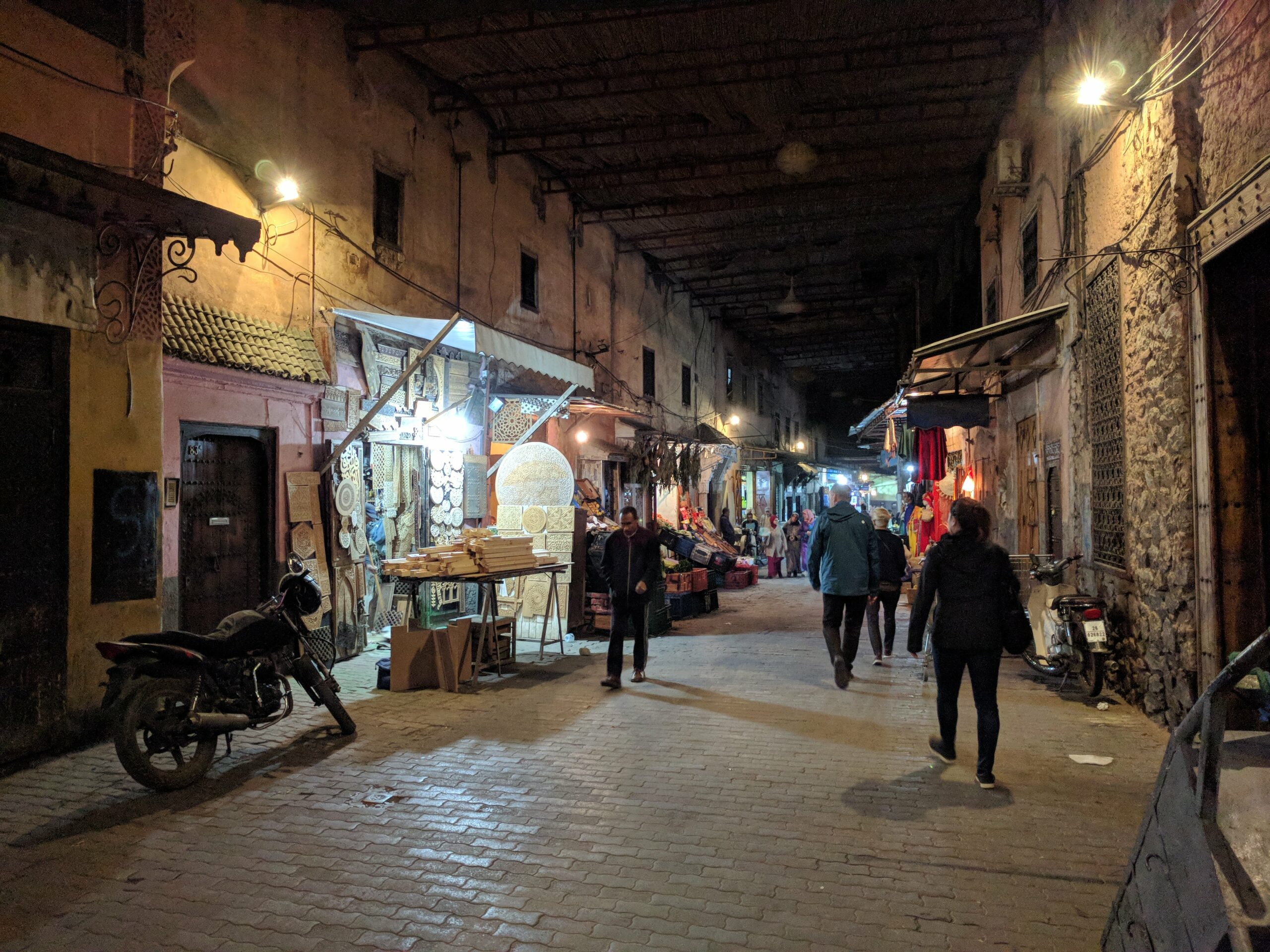
Marrakech changes when the sun goes down. The daytime heat fades. The crowds thin out on side streets. And the main square, Jemaa el-Fnaa, transforms into something completely different. Smoke rises from food stalls. Drummers and storytellers compete for attention. Locals come out to eat, talk, and watch.
But many travelers ask the same question: is Marrakech safe at night? The short answer is yes, with some common sense. This guide walks you through what to expect after dark, where to go, where to avoid, and how to enjoy Marrakech's nightlife without worry.
Is Marrakech Safe at Night? The Honest Answer
Marrakech is safer than most European or American cities of the same size. Violent crime against tourists is very rare. The biggest risks are petty theft, pickpocketing, and sometimes aggressive touts or fake guides. These problems exist during the day too. At night, they are slightly more common in poorly lit areas or quiet side streets.
The medina walls have many entrances. Some streets are busy and well lit until midnight. Others are dark and empty by 9 PM. The key is knowing the difference. Stick to main walking routes. Do not wander into empty alleys alone at 2 AM. That is not fear mongering. That is just common travel sense anywhere in the world.
Thousands of tourists walk through Marrakech at night every week without any problem. Solo female travelers should be more careful but can still enjoy evening activities. Groups of friends or couples will have no issues if they stay aware of their surroundings.
Bottom line: Marrakech at night is not dangerous, but it requires the same caution you would use in any busy city after dark. Keep your phone and wallet secure. Walk with purpose. Trust your gut. And you will be fine.
Where to Go at Night: The Best Evening Spots
Marrakech offers plenty of safe, interesting things to do after sunset. Here are the best places to spend your evening.
Jemaa el-Fnaa Square
This is the heart of Marrakech at night. By 8 PM, the square is packed with food stalls selling grilled meats, snails, soups, and fresh juice. Orange juice carts are everywhere. The smoke from dozens of grills fills the air. Gnaoua musicians play drums and castanets. Storytellers draw crowds. Henna artists set up chairs. Snake charmers and monkey handlers work the edges.
Walking through Jemaa el-Fnaa at night is sensory overload in the best way. The food stalls are generally safe to eat from. Look for the busiest ones. That is where locals eat. A typical dinner of grilled meat, bread, and a drink costs around 50 to 80 dirhams (about 5 to 8 dollars).
The square stays busy until midnight or later, especially on weekends. Police are present. It is well lit. This is the safest place in Marrakech after dark.
Rooftop Cafes and Restaurants
Marrakech is famous for its rooftop terraces. At night, these become magical. You look out over the medina while hearing the distant drums from the square below. The call to prayer echoes across the city. The lights of the Koutoubia Mosque glow in the distance.
Some of the best rooftops for evening visits include:
- Café de France – Right on Jemaa el-Fnaa. Good for people watching. Simple food and drinks.
- La Terrasse des Epices – Near the Rahba Kedima spice market. Quiet and elegant. Great for mint tea or dinner.
- Le Salama – Modern rooftop with a bar and lounge area. More expensive but has a great atmosphere.
- Atlas Bar at La Mamounia – Very upscale. Drinks are pricey. But the garden views are stunning.
Most rooftops close by midnight. Check closing times before you go.
Koutoubia Mosque Gardens
The gardens around the Koutoubia Mosque are well lit and patrolled. Locals come here at night to walk, sit on benches, and let their children play. It is peaceful. The mosque itself is stunning lit up against the dark sky.
This is a good option if you want a quiet evening walk without the chaos of the square. The gardens are safe until about 10 PM. After that, they get very quiet. Stick to the main paths.
Gueliz Nightlife (New City)
Gueliz is the modern part of Marrakech, outside the medina walls. This is where you find wine bars, nightclubs, and international restaurants. The streets are wider and better lit. The vibe is more European. Many young Moroccans and expats hang out here.
Popular spots include:
- Le Comptoir Darna – Restaurant and nightclub with live music and belly dancing. Busy on weekends.
- Theatro – High-end club with a mix of Moroccan and international crowd. Dress well.
- Buddha Bar – Lounge and restaurant. Expensive but stylish.
- Pointbar – Casual bar with live sports on TV. Good for a relaxed drink.
Gueliz is safe at night. Take a taxi there and back. Do not walk through dark side streets. Taxis are cheap. A ride from the medina to Gueliz costs 20 to 30 dirhams (about 2 to 3 dollars).
Tip for solo female travelers: Stick to Jemaa el-Fnaa and the main medina streets. Avoid walking alone in quiet residential areas after dark. Use a taxi after 10 PM even for short distances. And dress modestly to avoid unwanted attention.
Places to Avoid or Be Careful At Night
Not every street in Marrakech is safe after dark. Some areas are fine during the day but become sketchy at night. Others are just very quiet and easy to get lost in.
The Outer Edges of the Medina
The medina has many small gates leading to residential neighborhoods. These streets are not tourist areas. They are where local families live. At night, these streets are dark and mostly empty. Tourists walking through them will stand out. That is not a good thing.
Stick to the main commercial streets within the medina: Rue Mouassine, Rue Riad Zitoun El Kedim, and the streets immediately around Jemaa el-Fnaa. If a street looks empty and poorly lit, turn around and go back to a busier area.
Parks and Gardens After Dark
Parks like Menara Gardens or Cyber Park are lovely during the day. At night, they close or become very empty. Do not visit them after sunset. It is not worth the risk.
The Mellah (Jewish Quarter) at Night
The Mellah is interesting to explore during daylight. But many of its streets are narrow and poorly lit. Few people are around after 8 PM. This is not a dangerous area, but it is not a good place for an evening walk either. Save it for the morning.
Practical Safety Tips for Marrakech at Night
Follow these simple rules and you will have a great night out with no problems.
Stay on Main Streets
The main walking routes through the medina are well traveled until about 10 PM. After that, they get quiet. If you are out late, stick to Jemaa el-Fnaa and the main square area. That is where the energy and the crowds are.
Use a Taxi After 10 PM
Do not walk back to your riad through dark alleys at midnight. Take a taxi. Petite taxis are red and cheap. Negotiate the price before getting in. A ride within the medina should cost 20 to 30 dirhams. Have small bills ready. Drivers often claim they have no change.
Keep Valuables Hidden
Pickpockets work the crowded areas around Jemaa el-Fnaa. Keep your phone in a zipped pocket or a crossbody bag. Do not hold it loosely in your hand. Do not put your wallet in your back pocket. This is basic city stuff. The same rules apply in Paris or Rome or New York.
Ignore Aggressive Touts
You will meet men offering to show you to a restaurant or a shop. Some are harmless. Some are not. Do not follow anyone you do not know. If someone tries to guide you without being asked, say "la shukran" (no thank you) and keep walking. Do not engage in long conversations.
Know How to Get Back to Your Riad
The medina is a maze. Even with Google Maps, it is easy to get turned around at night. Before you go out, ask your riad host to show you the easiest route to Jemaa el-Fnaa on a map. Take a business card from the riad with the address. If you get lost, call the riad or ask a shopkeeper to point you toward the main square.
Download offline maps. Google Maps works in Marrakech but signal can be weak inside the medina. Download the offline map of Marrakech before you go out. That way you can navigate even without phone service.
What to Wear at Night in Marrakech
Morocco is a Muslim country. Modest dress is appreciated, especially at night when locals are out in larger numbers. You do not need to cover your head. But shoulders and knees should be covered.
For men: long pants and a t-shirt or collared shirt are fine. Shorts are acceptable in tourist areas but not ideal in the evening.
For women: a long skirt or pants with a top that covers the shoulders works well. A light scarf is useful to have. You can wrap it around your shoulders if you feel uncomfortable. Many Western women wear similar clothes to what they would wear in a European city. But less skin showing means less attention. That is a fact, not a judgment.
At rooftop bars or nightclubs in Gueliz, the dress code is more relaxed. Western evening wear is fine.
Can You Drink Alcohol at Night in Marrakech?
Alcohol is available in Marrakech but not everywhere. Most restaurants in the medina do not serve alcohol. The ones that do are usually larger, more expensive places. Rooftop bars in hotels serve beer, wine, and cocktails. In Gueliz, almost every bar and nightclub serves alcohol.
Drinking in public is illegal. Do not walk around the streets with an open bottle or can. Do not be drunk and disorderly. Moroccan police are tolerant of tourists having a drink at a licensed venue. They are not tolerant of public intoxication.
Prices are high. A beer at a hotel bar costs 50 to 80 dirhams. A glass of wine might be 60 to 100 dirhams. Cocktails are 100 to 150 dirhams. Local beer (Flag Speciale or Casablanca) is cheaper than imported brands.
Night Tours and Organized Evening Activities
If you prefer not to navigate Marrakech at night on your own, book an organized tour. Several companies offer evening experiences that are safe and hassle-free.
- Jemaa el-Fnaa food tour: A guide takes you to the best food stalls and explains what everything is. You taste things you might not try on your own.
- Hot air balloon at sunrise: This is not technically night, but you leave before dawn. The company picks you up from your riad and returns you after breakfast.
- Dinner and show at Chez Ali: Tourist-oriented but fun. Fantasia horseback performance, traditional music, and a big dinner. Transportation included.
- Private driver for the evening: Hire a driver for a few hours to take you to Gueliz and back. Safer than walking or finding taxis on your own.
Ask your riad host or hotel concierge to recommend a trusted tour operator. They will have contacts they have worked with for years.
Looking for a complete Marrakech experience? Our Exclusive Experiences include private evening tours, rooftop dinner reservations, and a luxury hammam to recover after a late night out. Book ahead to secure your spot.
What Time Does Marrakech Wake Up and Go to Sleep?
Marrakech operates on a different rhythm than European cities. Shops open late, often not until 10 AM. Lunch is the big meal of the day, taken around 1 to 3 PM. Many shops close again from 4 to 6 PM for afternoon rest. Then they reopen for the evening rush.
Dinner is eaten late, usually between 8 and 10 PM. Families with children eat earlier. Couples and younger people eat later. After dinner, people go for walks, visit the square, or sit in cafes. It is not unusual to see families with small children in Jemaa el-Fnaa at 11 PM.
The square starts to empty around midnight. By 1 AM, only a few food stalls remain open. By 2 AM, it is quiet. The call to prayer at dawn around 4:30 AM marks the beginning of a new day.
Do not expect to find open shops or busy streets at 7 AM. That is not how Marrakech works. Embrace the late schedule. Sleep in. Eat dinner late. Enjoy the night atmosphere.
Conclusion: Enjoy Marrakech After Dark With Confidence
Marrakech at night is one of the great travel experiences in North Africa. The energy of Jemaa el-Fnaa. The quiet romance of a rooftop terrace. The modern buzz of Gueliz bars. This city knows how to do evenings right.
Is it completely risk free? No city is. Use the same common sense you would use in any unfamiliar place. Stay in busy areas. Watch your belongings. Take taxis late at night. And trust your instincts.
Millions of tourists have walked these streets after dark and gone home with nothing but good memories. You will be one of them. Just be smart. And enjoy every minute.
This guide reflects conditions in Marrakech as of June 2026. Always check current travel advisories and local news before your trip.


